
 Mastering Geotab
★ Fleet GPS Trackers · Geotab Harnesses
The harness is the part of a Geotab install nobody thinks about until it's wrong. Here is every harness type Geotab makes, what each one is for, the part numbers installers order, and the rules that keep a device reporting for years.
Every current Geotab harness by part number, grouped by what it connects to. Click a harness card to open its full page; more pages are being added. Discontinued parts are left out.




A Geotab GO device needs power and access to the vehicle's data. On many cars you could plug it straight into the diagnostic port under the dash, but that leaves it hanging where a knee or a boot can knock it loose, and it blocks the port a mechanic needs. A harness solves both. It runs from the vehicle's port to a spot where the device can be tied down out of sight, and in most cases it passes the port through so the vehicle still has a working diagnostic connector.
Heavy trucks, equipment and trailers often have a different connector or no diagnostic port at all, which is why Geotab makes a long list of harnesses. Picking the right one is the difference between a clean install and a return trip.
The GO10 uses a new connector. A harness made for the GO9 family will not plug straight into a GO10, so GO10 installs need GO10 harness kits. For specialty harnesses that only exist in the older style, Geotab offers a bridge adapter, part HRN-XBS16A1, that lets them work with the GO10. The GO10's inputs and output for PTO, seatbelt, door and immobilizer signals run through their own I/O harness, HRN-XGL06S6, which the GO10 Plus shares.
If you are adding GO10s to a fleet that already runs GO9s, plan the harnesses as a separate line on the order. Assuming the old stock will fit is the most common way a GO10 rollout stalls.
The standard choice for cars, vans and light trucks. It plugs into the vehicle's 16-pin OBD-II port, gives the GO device its own connection, and leaves a working port behind for diagnostics. Geotab notes it is CARB-compliant, which matters for fleets in states that check emissions through the port.
Some vehicles put the data where a universal harness can't reach it or wire the port in a non-standard way. Geotab makes dedicated harnesses for these, including models for Tesla, Mercedes Sprinter, Volvo and Mack, Hino, Isuzu and Bobcat equipment. If a vehicle is on that list, the specific harness is the right answer even when a universal one appears to fit.
Straight extensions that move the device away from the port for a better mounting spot or more clearance. The flat version slips behind tight trim panels.
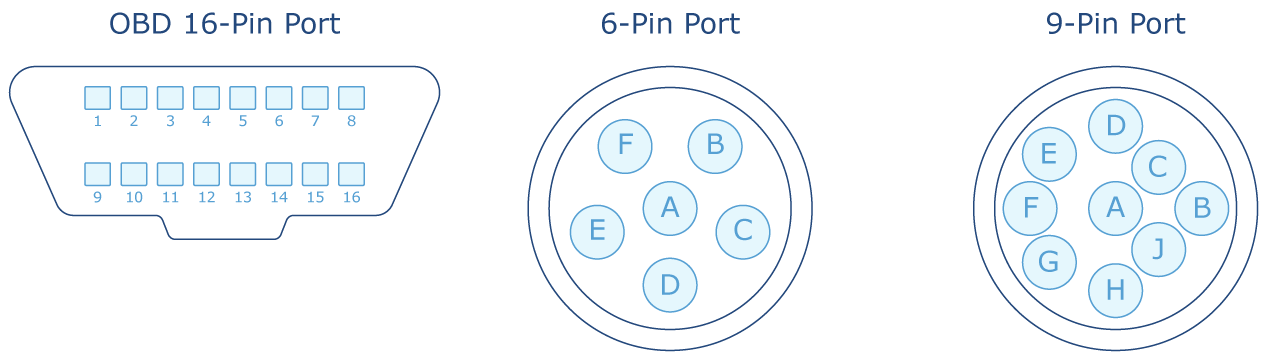
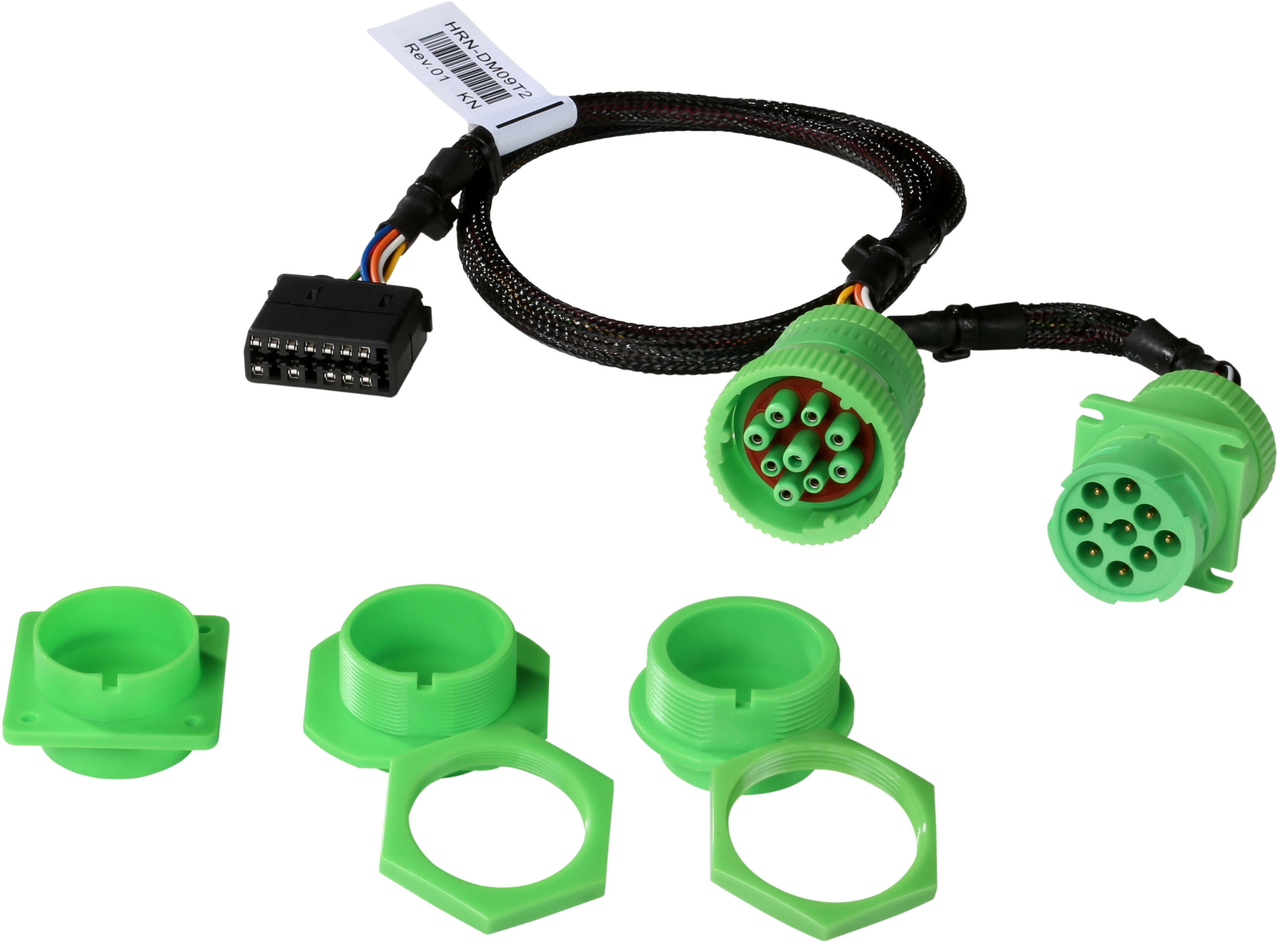
The connector on most modern heavy trucks. The universal kit covers the common cases, and the T-style versions pass the port through for the shop's diagnostic tools. Caterpillar engines have their own version, HRN-DC09T2.
For older heavy trucks that predate the 9-pin connector. Pair it with a GO9B, since those older trucks often talk on the J1708 bus the GO10 no longer reads.
A newer industry connector some truck makers add specifically for telematics and logging devices. The T version leaves the connector open for another device; the straight version is for a single unit.
For anything with no diagnostic port: older equipment, trailers with power, generators and specialty bodies. Three wires go to constant power, ground and ignition. The device then tracks location and engine hours from ignition, but it won't read engine data the way a port connection does. This is where a twelve-volt background earns its keep, because picking a true ignition source on unfamiliar equipment is the whole job.
Sealed harnesses for the GO9 RUGGED on equipment that gets rained on, mudded up and pressure-washed. A standard harness in that environment corrodes; a rugged one is built for it.
Extensions that let IOX add-on modules mount away from the GO device when space is tight behind the dash.
| Vehicle or asset | Usual harness |
|---|---|
| Car, van, pickup with OBD-II | Universal OBD-II T-harness or a GO10 kit |
| Sprinter, Tesla, Hino, Isuzu and similar | Vehicle-specific T-harness |
| Modern heavy truck | 9-pin Deutsch, or HRN-DC09T2 on CAT engines |
| Older heavy truck | 6-pin Deutsch with a GO9B |
| Truck with an RP1226 port | RP1226 14-pin T or straight |
| Equipment, trailer, no port | Three-wire power, rugged where exposed |
Most of the trouble calls we see on Geotab come back to the harness rather than the device: the wrong one for the vehicle, two stacked together, a run that's too long, or a unit left dangling off the port. Getting the harness right is cheap. Fixing it after the data has been wrong for three months is not.
Sources: Part numbers and installation rules come from Geotab's harness documentation on support.geotab.com and Geotab's harness guide on geotab.com. Images © Geotab Inc. GEOTAB is a registered trademark of Geotab Inc. API Signal is an independent installer and is not Geotab. Part numbers change; confirm the current harness for each vehicle before ordering.
Tell us how many vehicles and what they are. We'll quote the hardware and the install together.