
A dozer is one of the most expensive machines on a job site to own and run, and nearly everything about its upkeep is counted in hours. We install GPS trackers and telematics gateways on bulldozers and crawler dozers of every size and brand across Georgia, South Carolina, North Carolina, Tennessee, Virginia, Alabama, Florida and Mississippi, on site where they work.
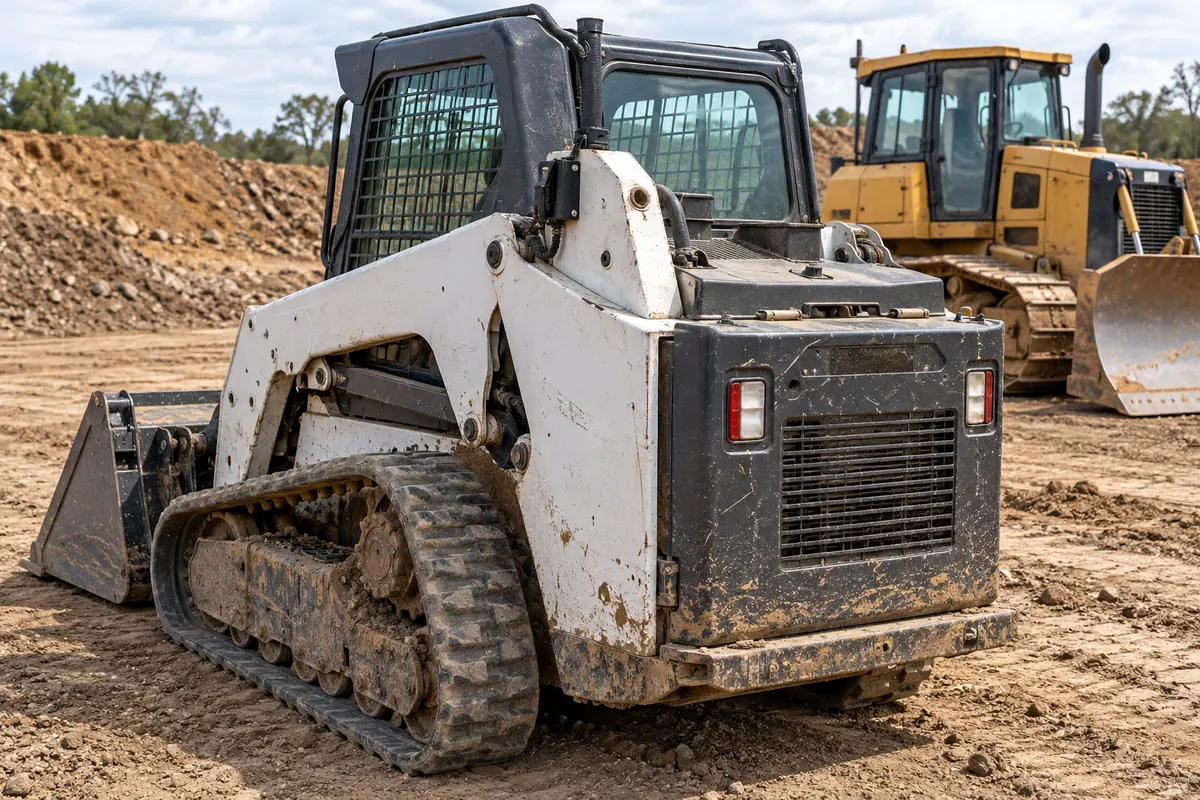
Dozers are not the machine thieves go after first. They are big, slow and need a lowboy trailer to move, which draws attention on the road. The reasons to track a dozer are mostly about running it well: knowing exactly how many hours it has worked, how much of that time it was pushing dirt and how much it sat idling, and which job it is on today.
Undercarriage wear, engine services and component rebuilds on a dozer all follow engine hours, and the bills are large. Accurate hours from a tracker keep services on schedule and catch problems like excessive idling before they add up. For contractors who rent dozers out, or bill a customer by the machine hour, tracked hours are a record nobody has to argue about.
A dozer is a hard place for electronics. Steel tracks running over rock send shock and vibration through the whole machine, the engine bay runs hot, and dust gets into everything. Many dozers also have steel cab roofs that block the satellite signal.
We mount the device solidly inside the cab or behind a protected panel, away from engine heat, with a clear view of the sky or an external antenna where the roof is steel. Mounting has to be rigid. A device left hanging on its own wires will shake loose or crack its connector within weeks on a machine like this.
Pinouts and connector locations are in our Vehicle Wiring Database.
Many dozers carry a grade control system with its own satellite receivers, often on masts at the blade, and its own wiring and display in the cab. A tracker install should never tap into or disturb that system. We keep our wiring separate and mount the tracker away from the machine control components.
Many newer dozers also have the manufacturer's own telematics. The AEMP 2.0 standard, published as ISO 15143-3, lets fleet platforms pull basic data like location and hours from those systems, but the data is limited and updates slowly. An aftermarket tracker from the platform the rest of the fleet uses puts the dozer on the same screen as the trucks, trailers and smaller machines.
We have installed telematics on dozers working on job sites in South Carolina and North Carolina. Read about it on our fleet install stories page.
We install trackers on every kind of machine on a job site. See heavy equipment GPS tracking for the full list, or go straight to a machine: skid steers · excavators · wheel loaders · backhoes · cranes.
Pinouts, port locations and wire colors are in our Vehicle Wiring Database.
Need heavy duty trackers for your equipment? Every brand below makes them, so pick yours and we install it on your machines.
Common questions
Yes, from compact dozers to large crawler tractors. The install changes with the machine: voltage, connector type and where there is a protected, signal-friendly spot to mount the device.
It should not. We keep tracker wiring separate from machine control wiring and mount the device away from its receivers and display.
Yes. We come to the job site, yard or shop across Georgia, South Carolina, North Carolina, Tennessee, Virginia, Alabama, Florida and Mississippi.
On many machines the diagnostic port provides fuel data. What is available depends on the machine and the tracking platform, so we confirm it for your make and model.
Every major brand, including Geotab, Samsara, Motive, Verizon Connect, Azuga and Zonar.
We install across Georgia, South Carolina, North Carolina, Tennessee, Virginia, Alabama, Florida and Mississippi, on site where the machines work. Call or text 803-513-1009.
Constant. Ignition. Ground.
API Signal