Fleet tracking is more than a dot on a map. The tracker on the truck is the start, and around it sit cameras, logs, sensors and equipment monitoring that answer different questions. This page explains each type we install across Georgia, South Carolina, North Carolina, Tennessee, Virginia, Alabama, Florida and Mississippi, what it does and who it's for, with a page on each.
Start with the question you want answered. Where are my trucks? A GPS tracker. What happened in that accident? A dash cam. Did the trailer move overnight? A trailer or asset tracker. Was the equipment actually working? PTO monitoring. Each type below answers one of those questions, and most fleets end up with two or three of them working together on the same platform.
The equipment is the same whether you run the fleet or sell the systems to fleets. What changes from truck to truck is how it is installed: where the device goes, how it is powered and which signals it reads. That is what each page below covers.
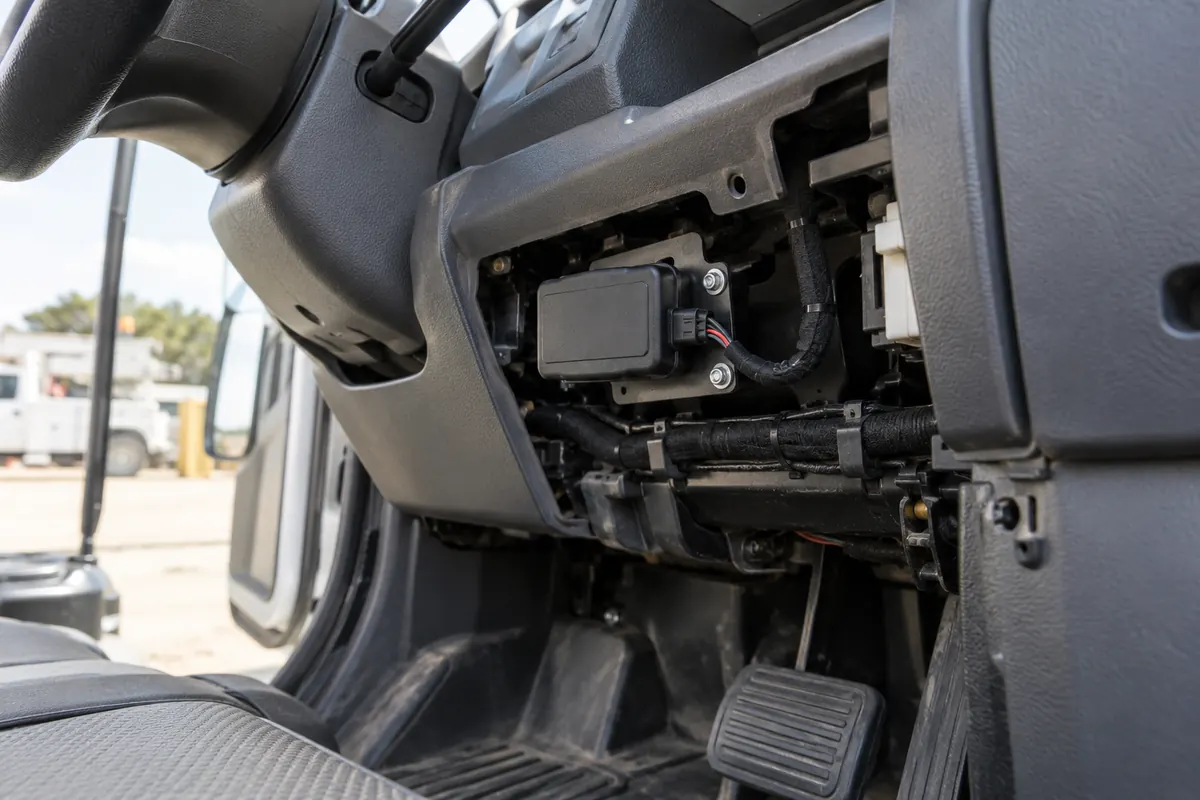
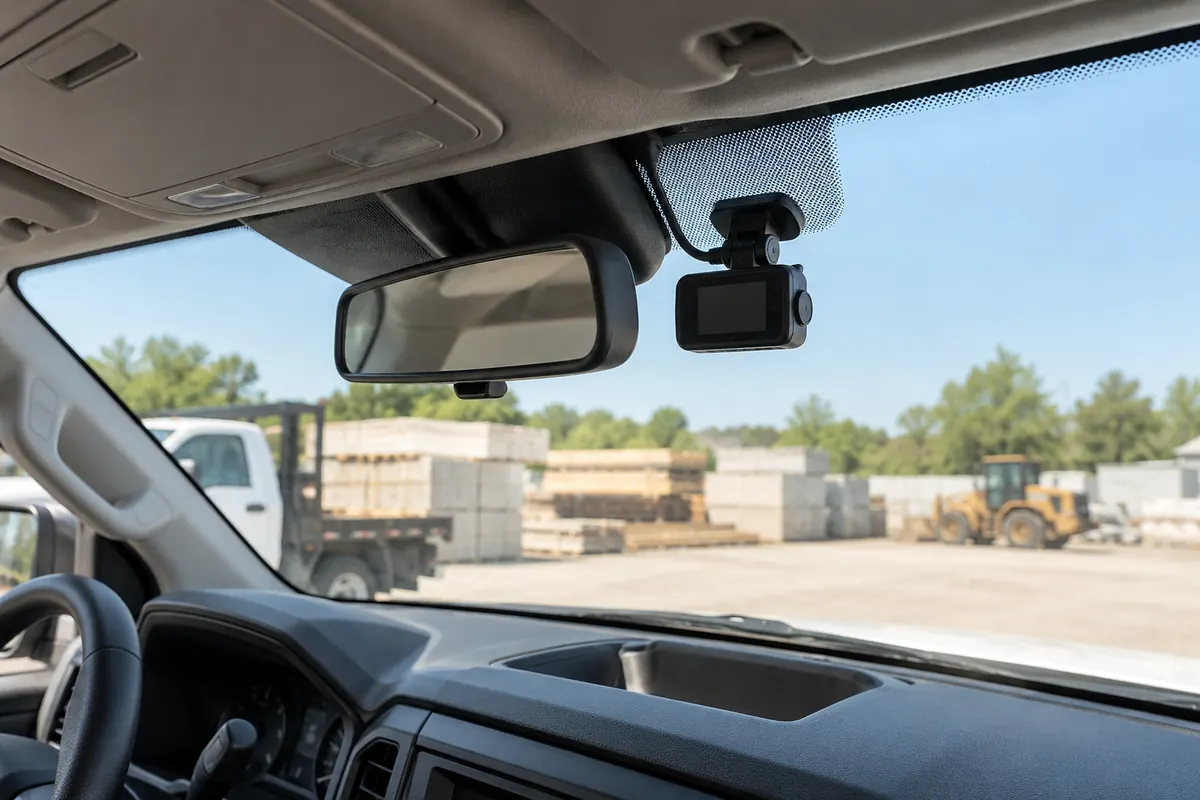
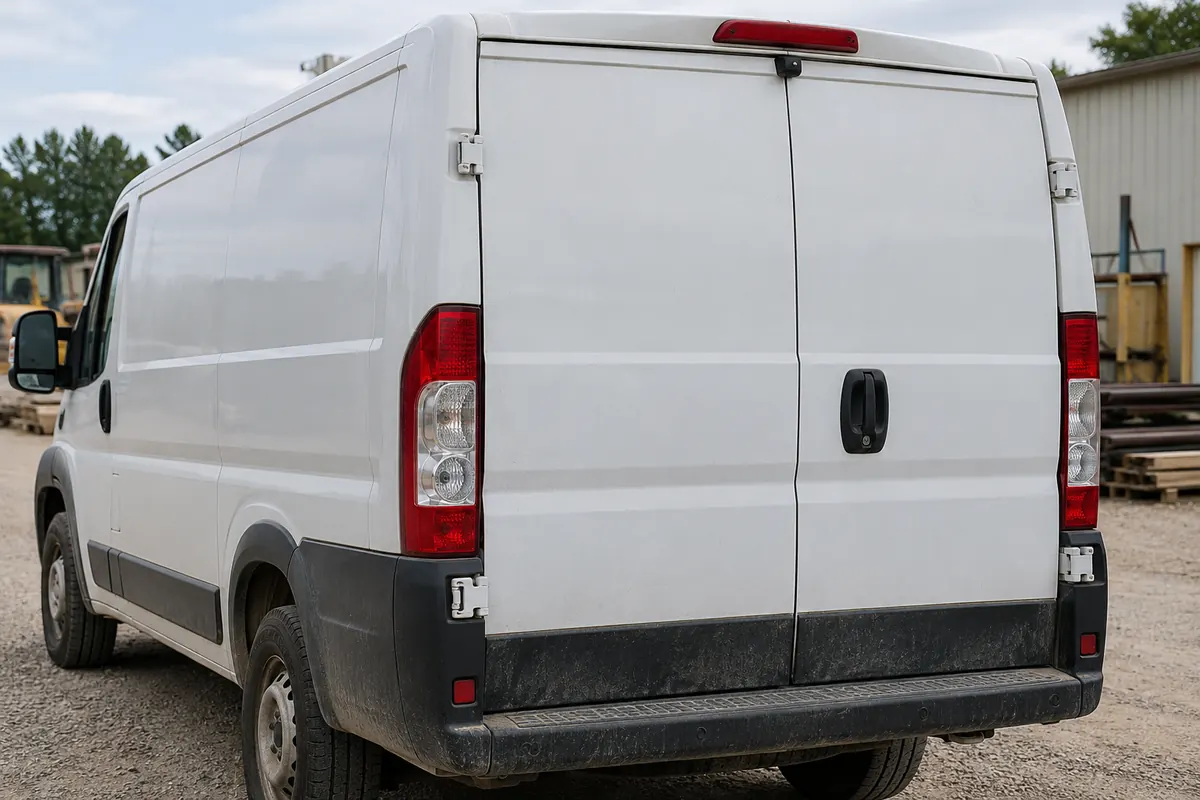
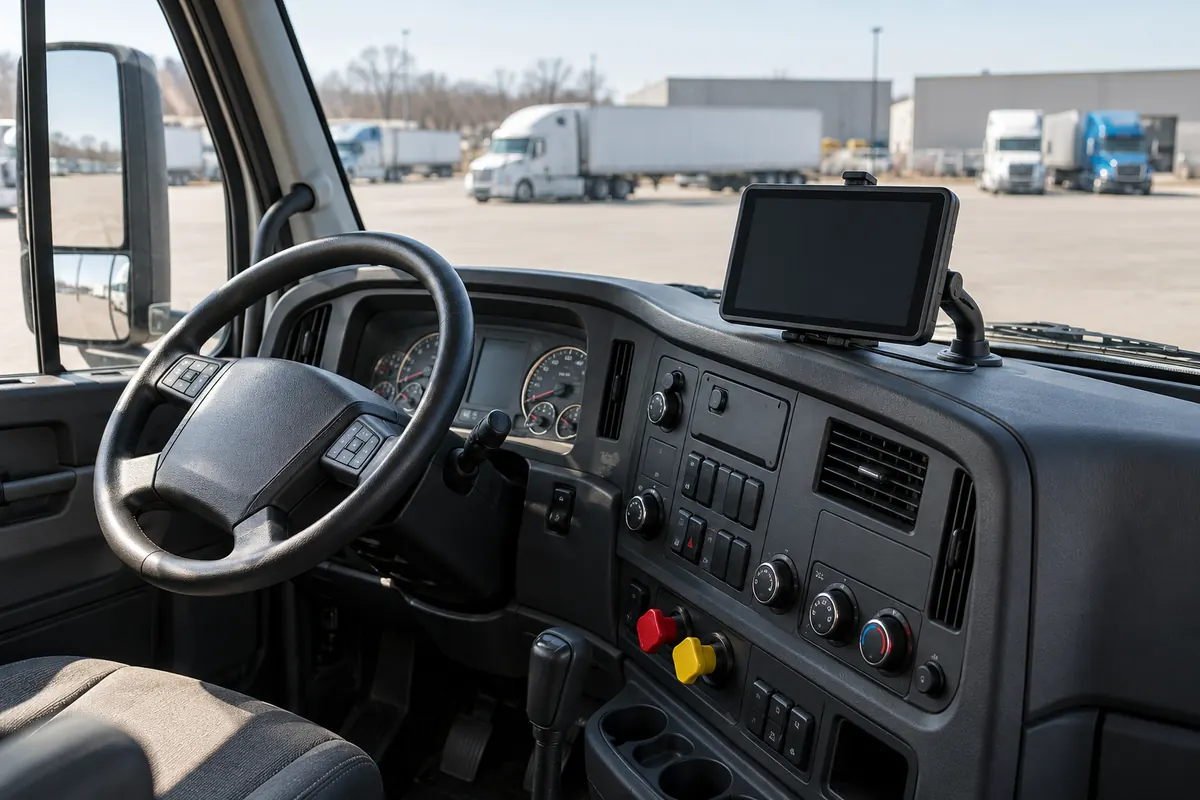
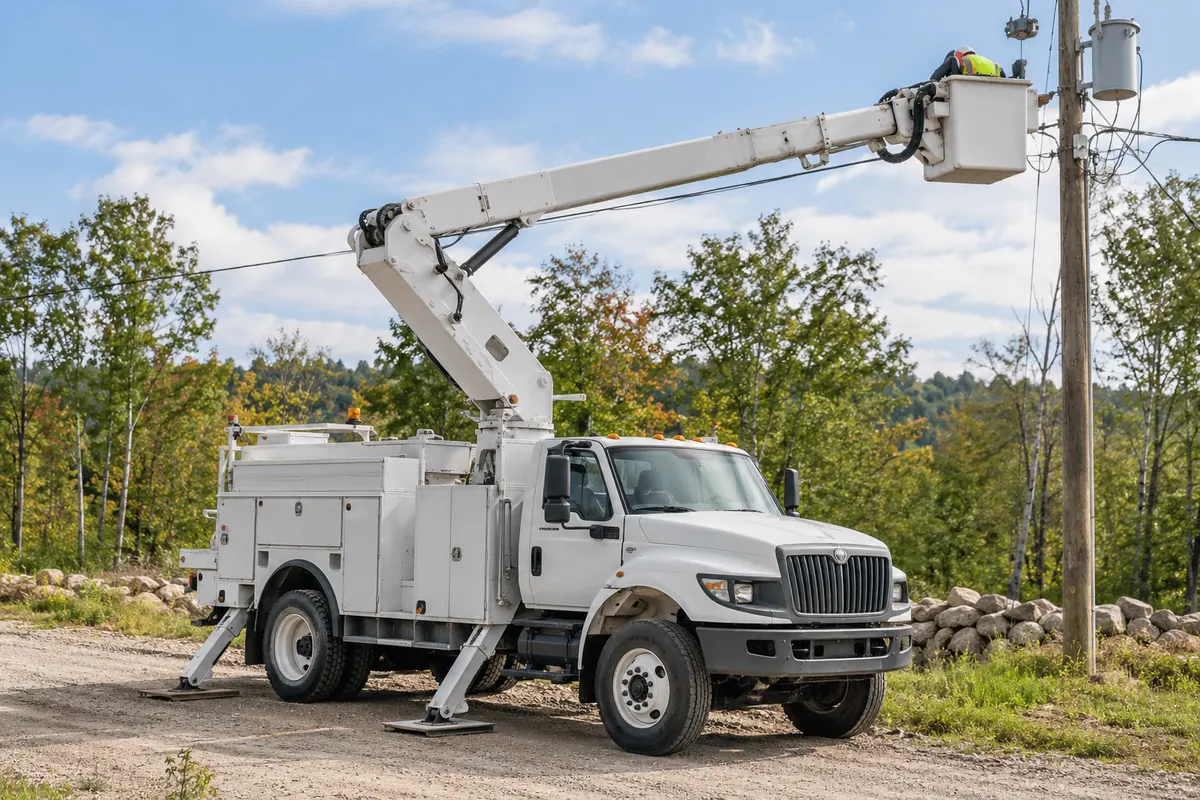
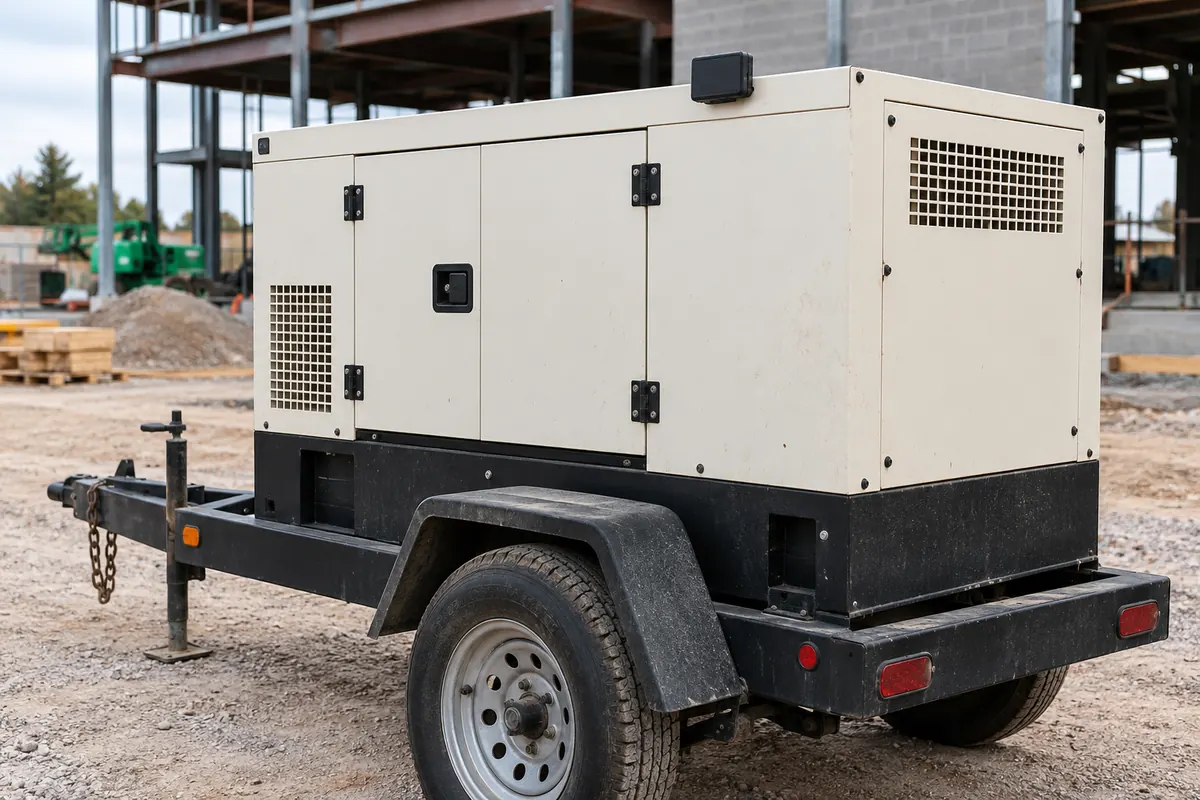
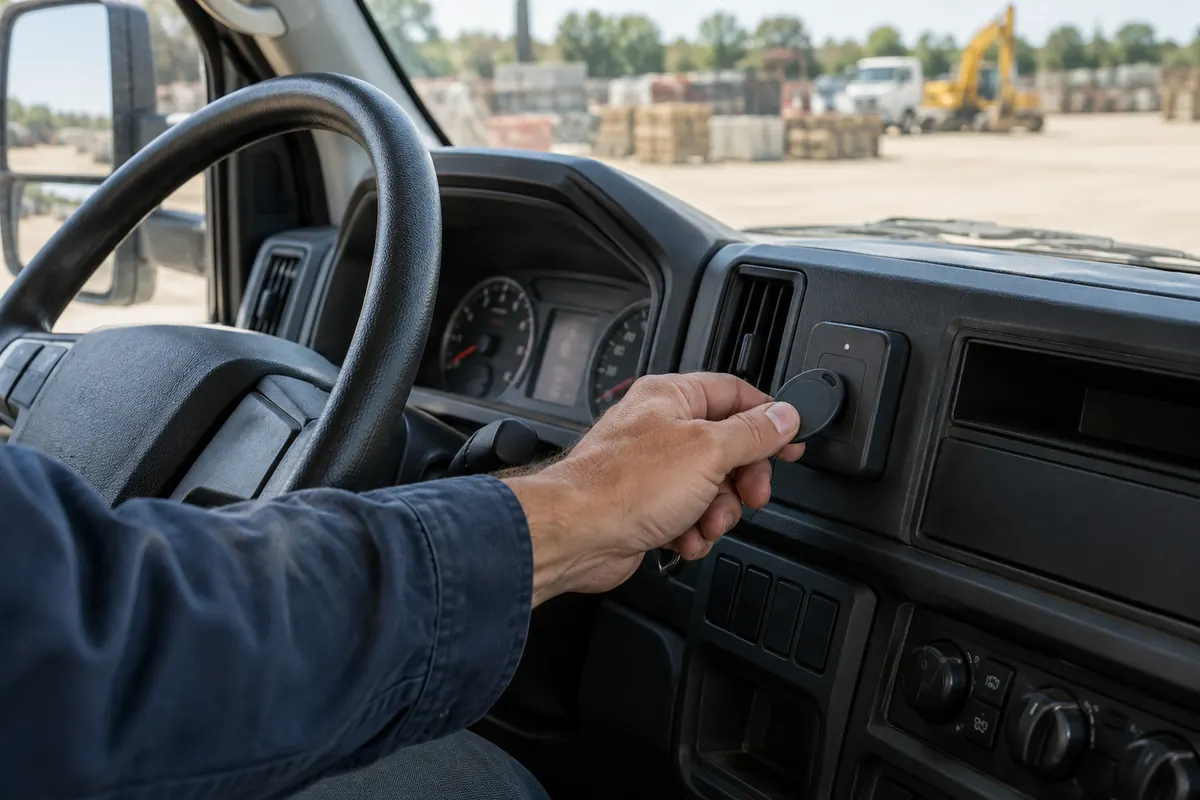
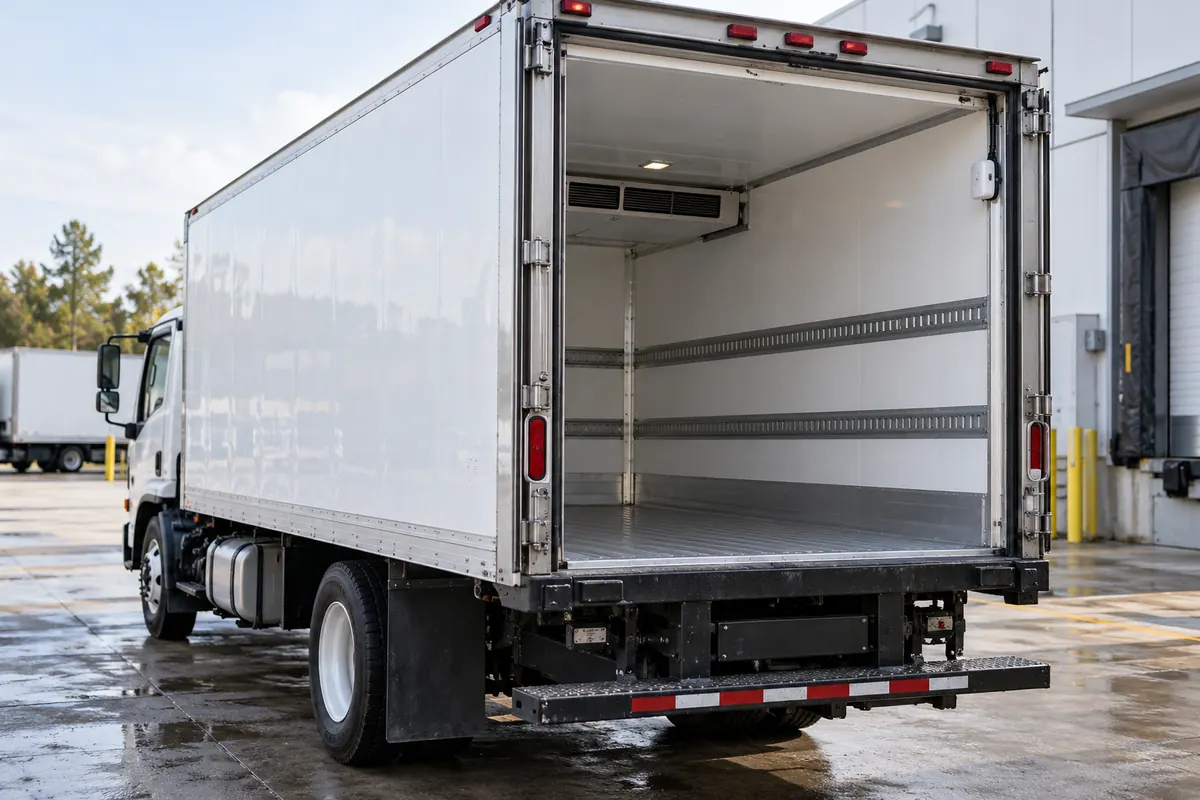
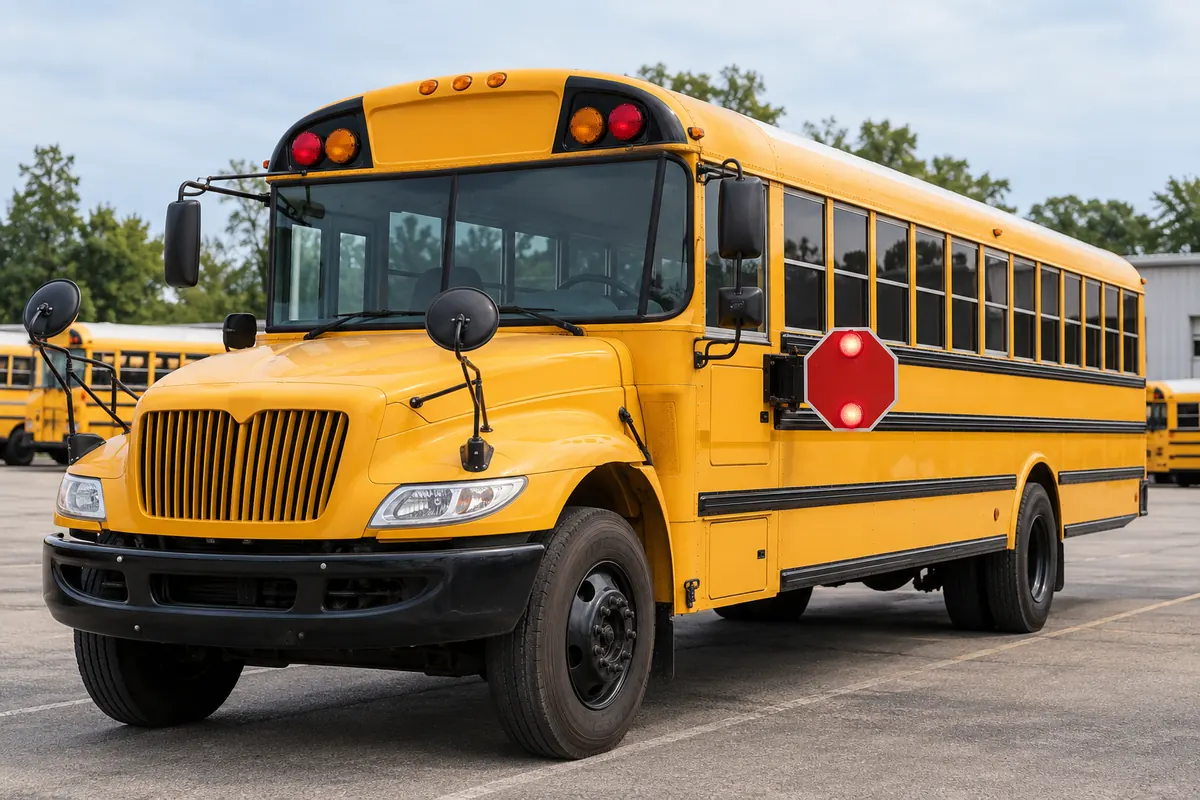
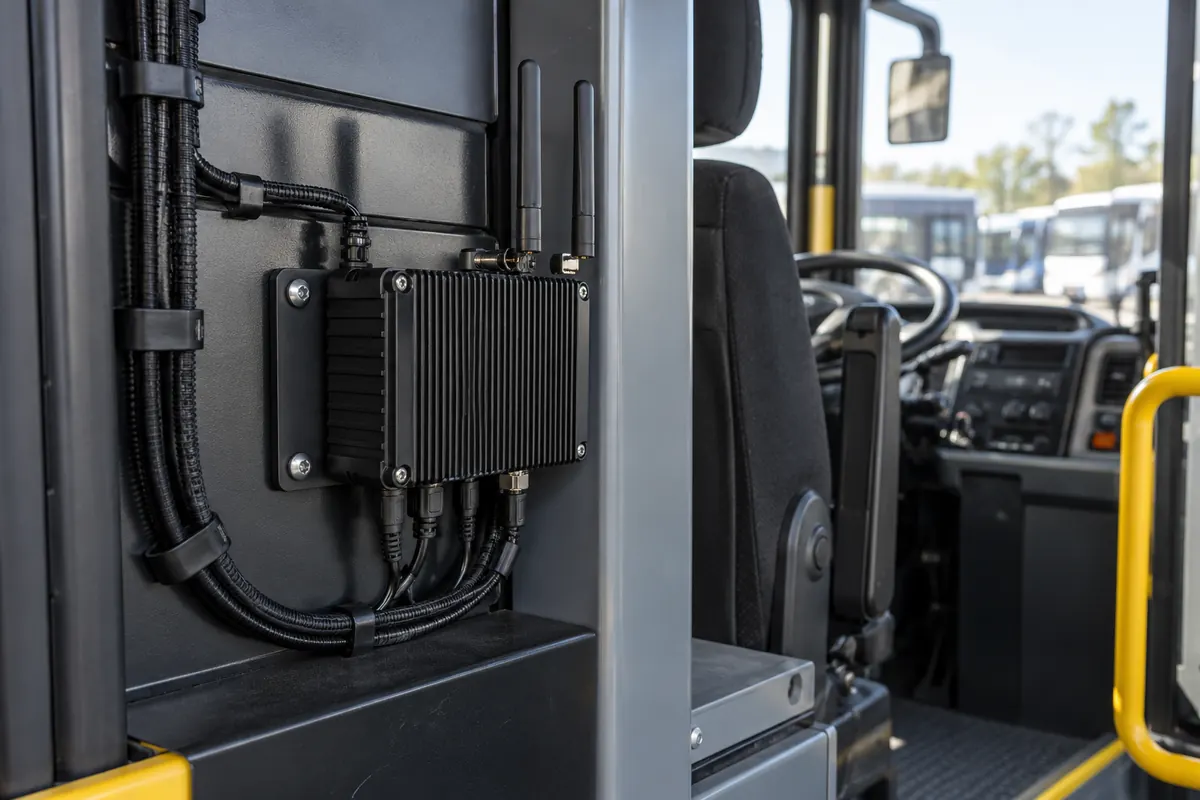
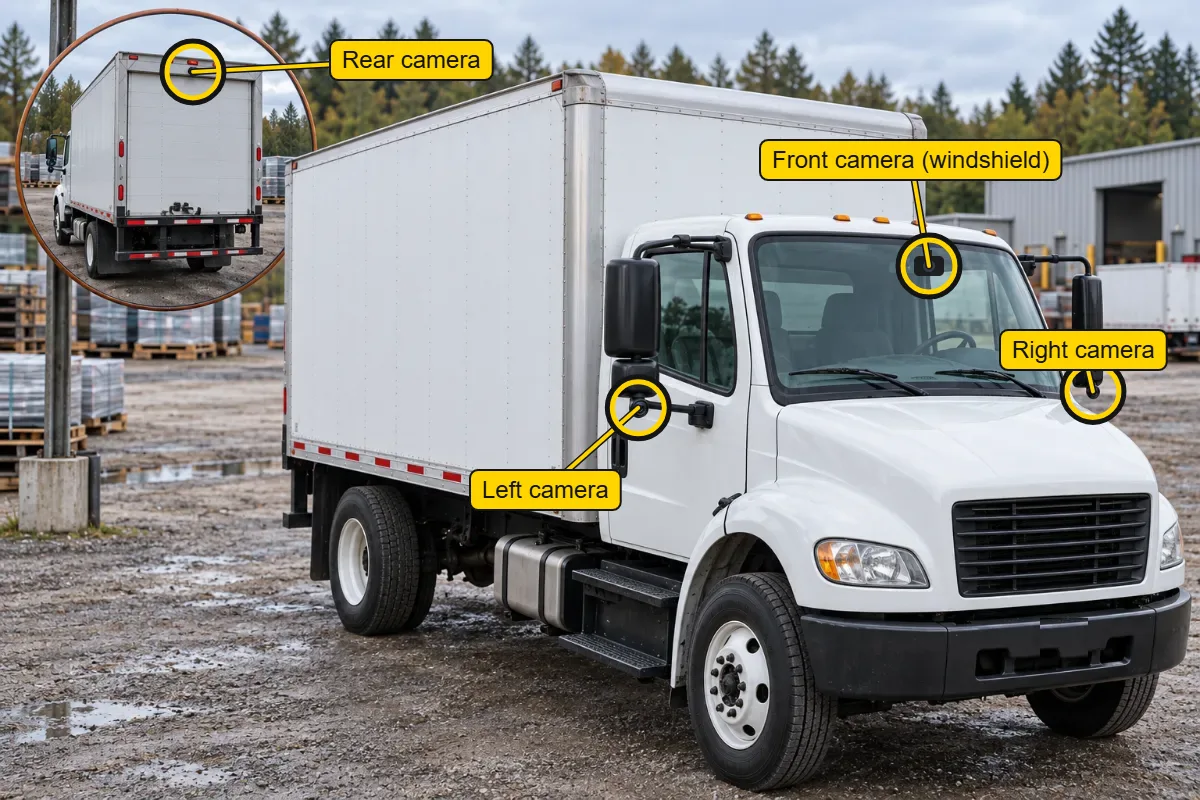
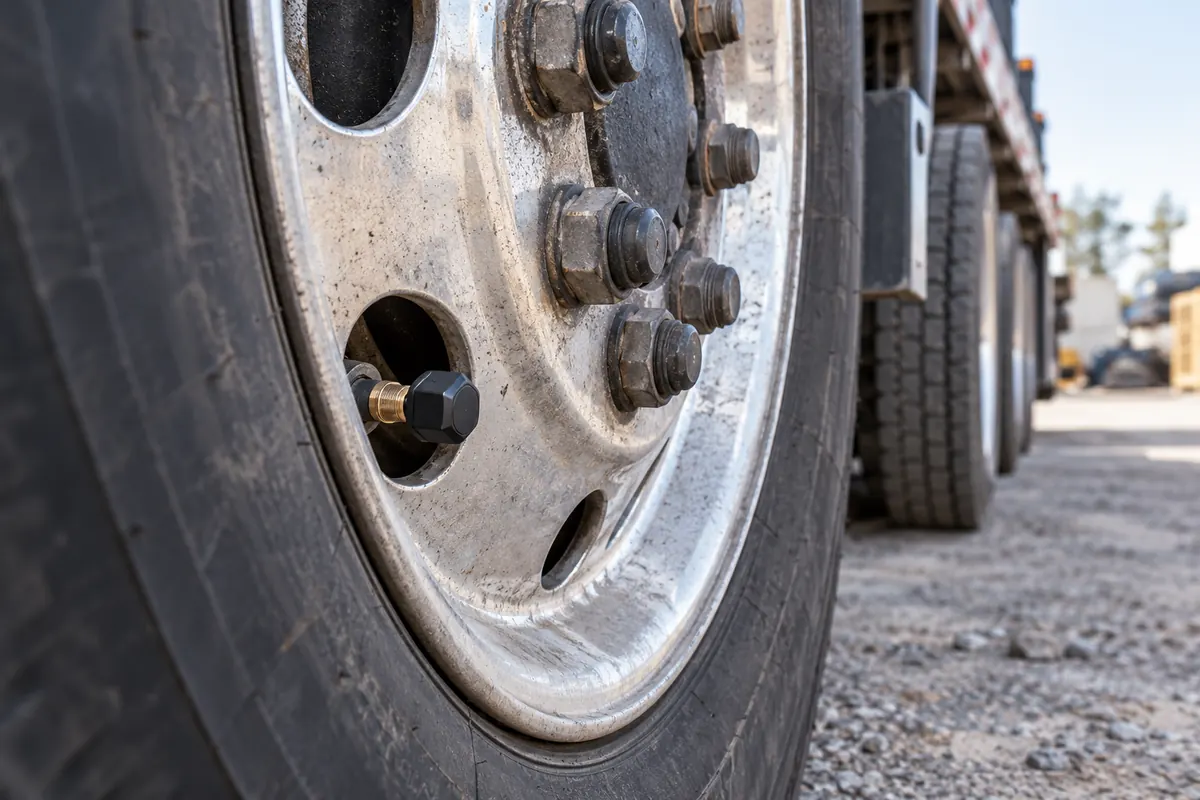
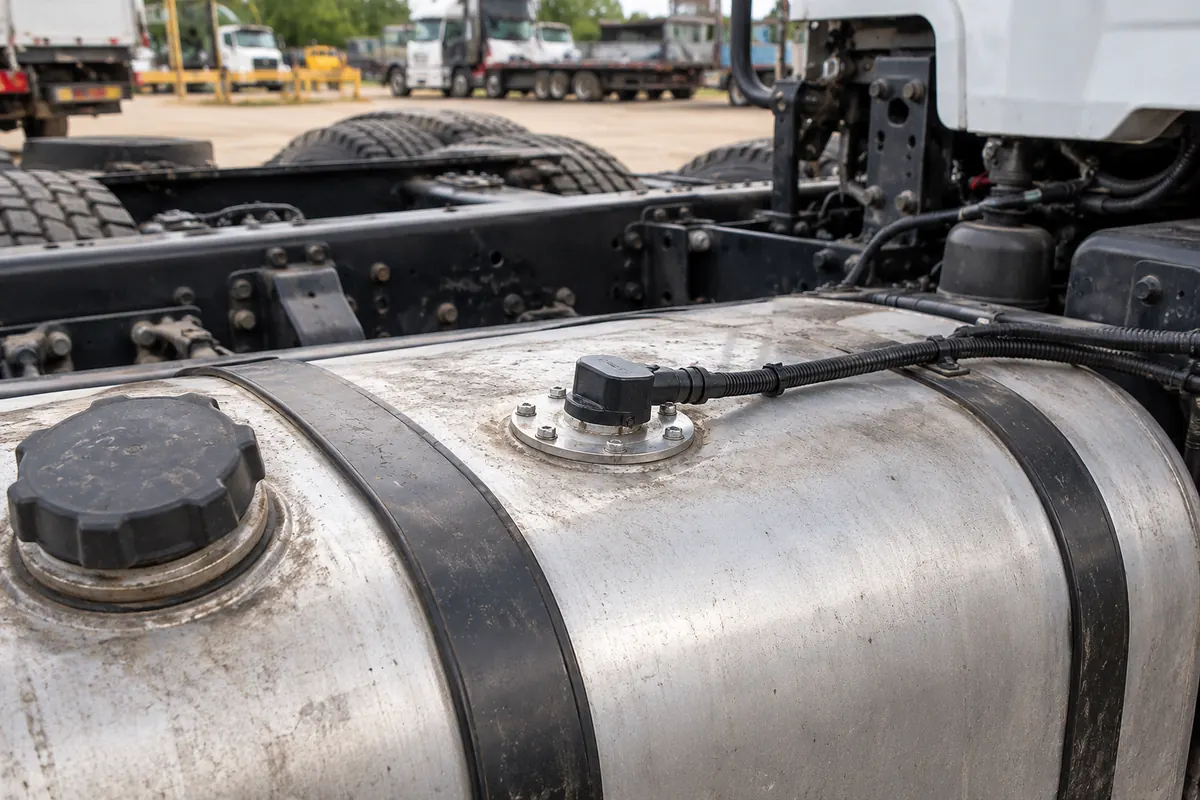
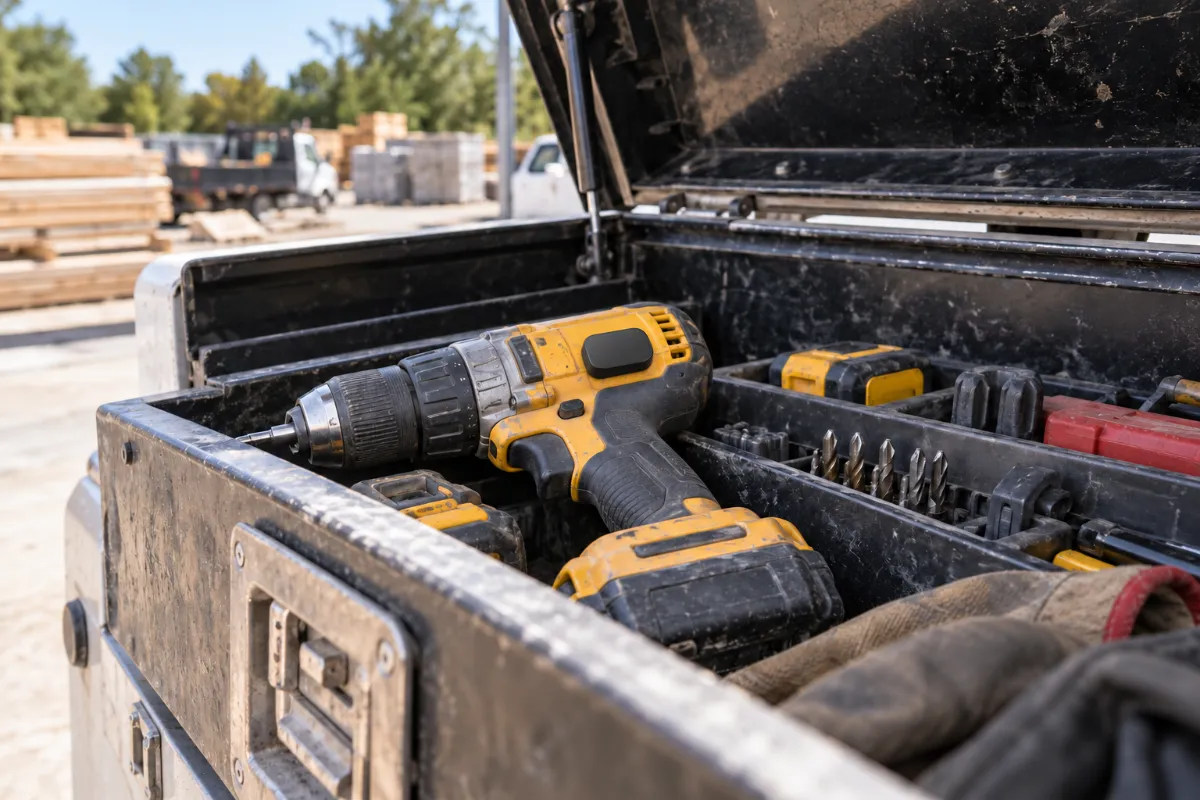
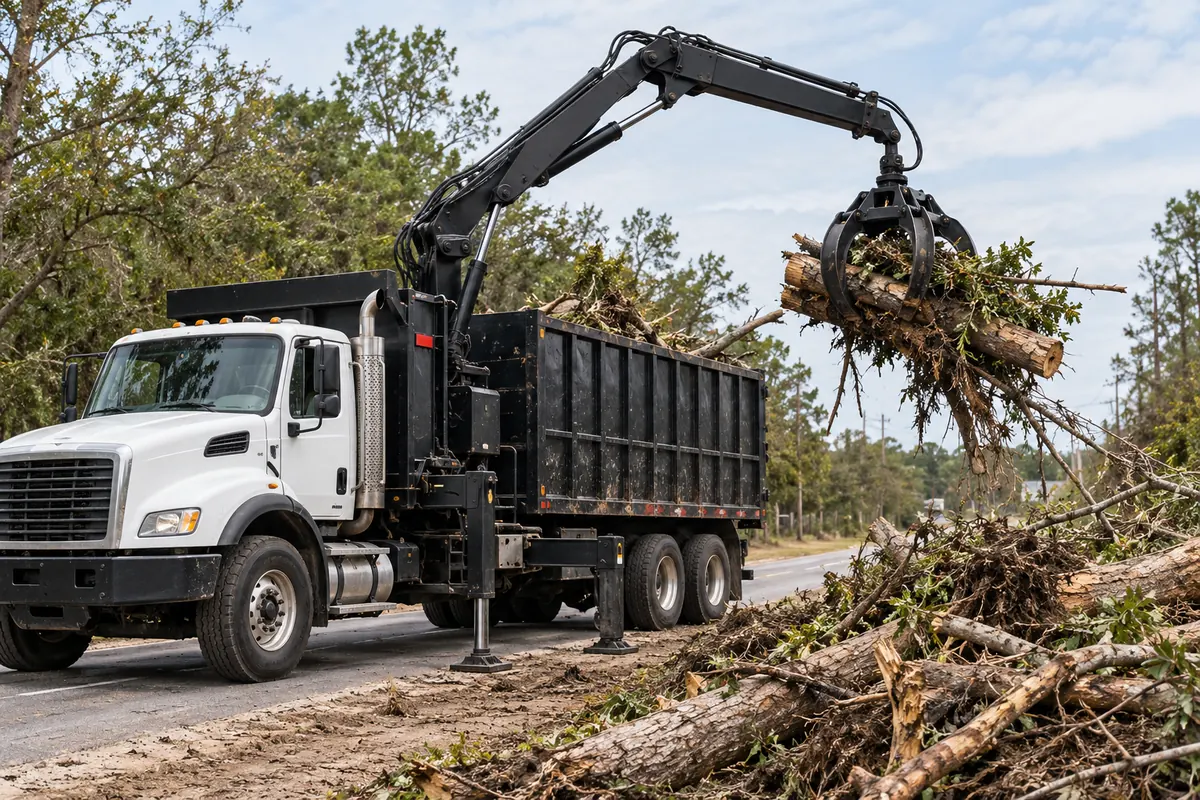
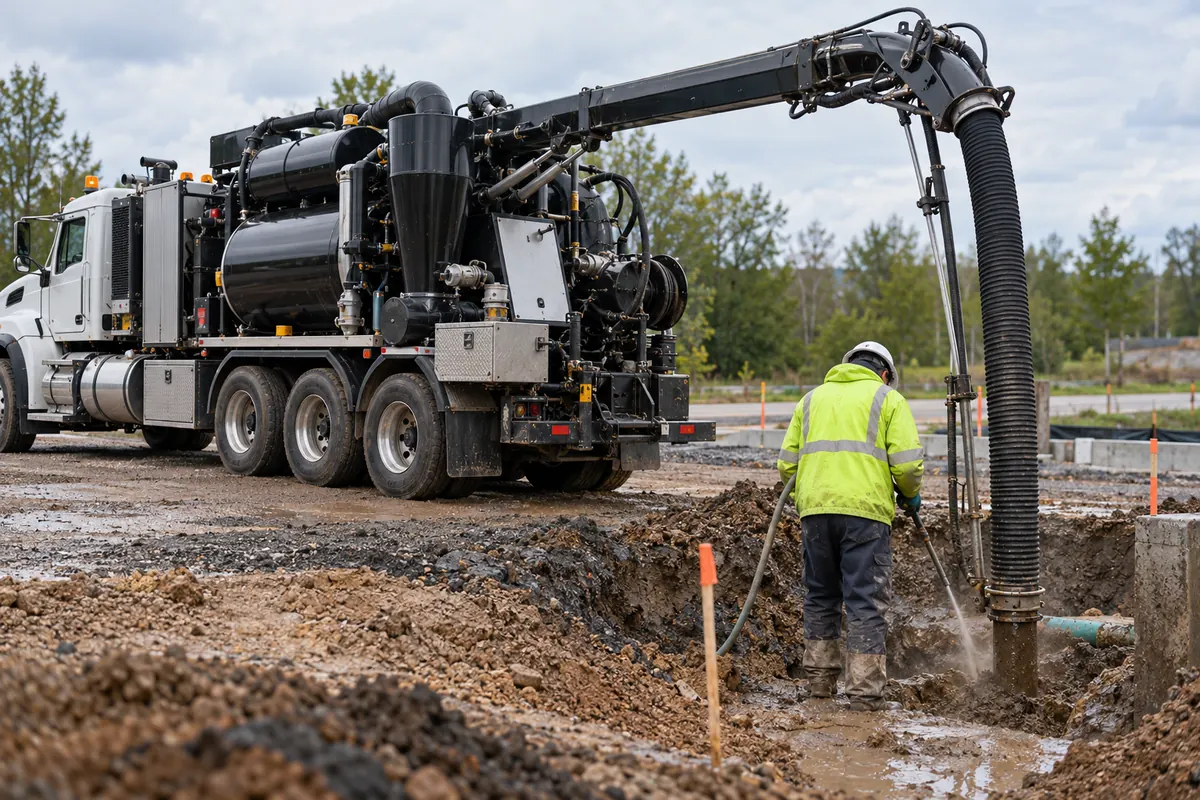
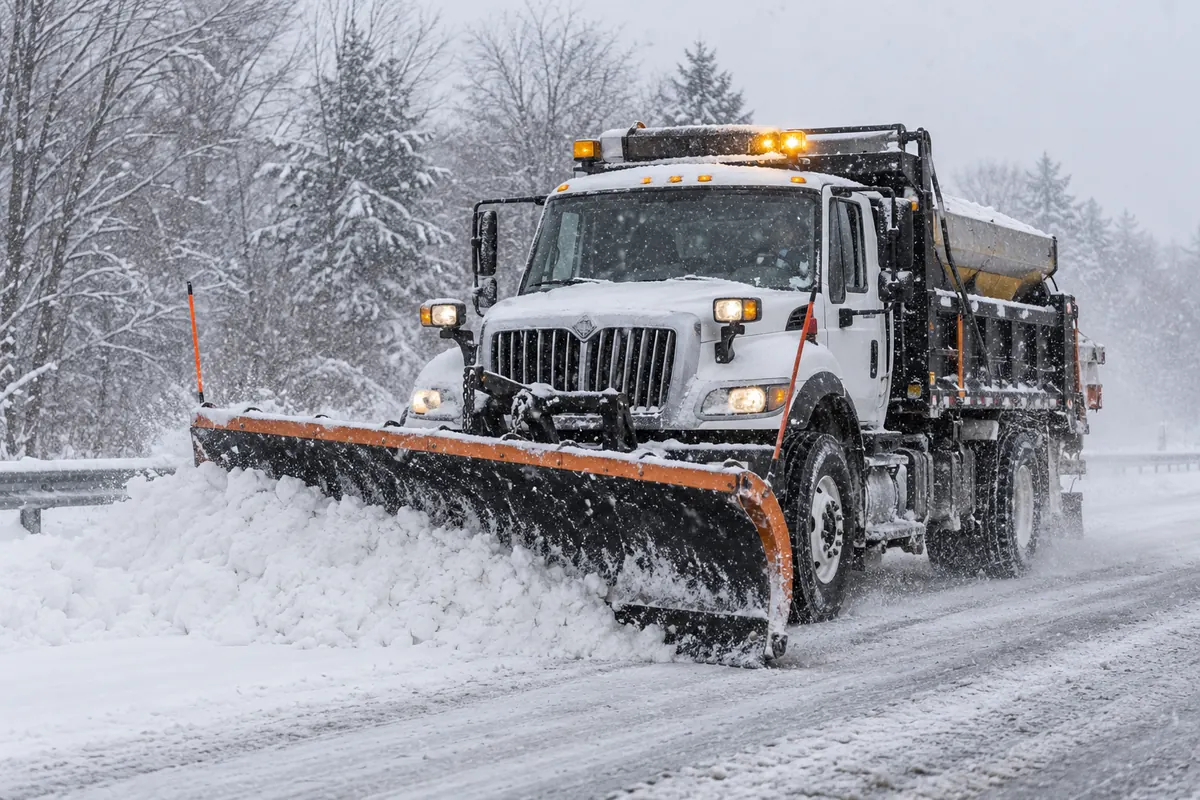
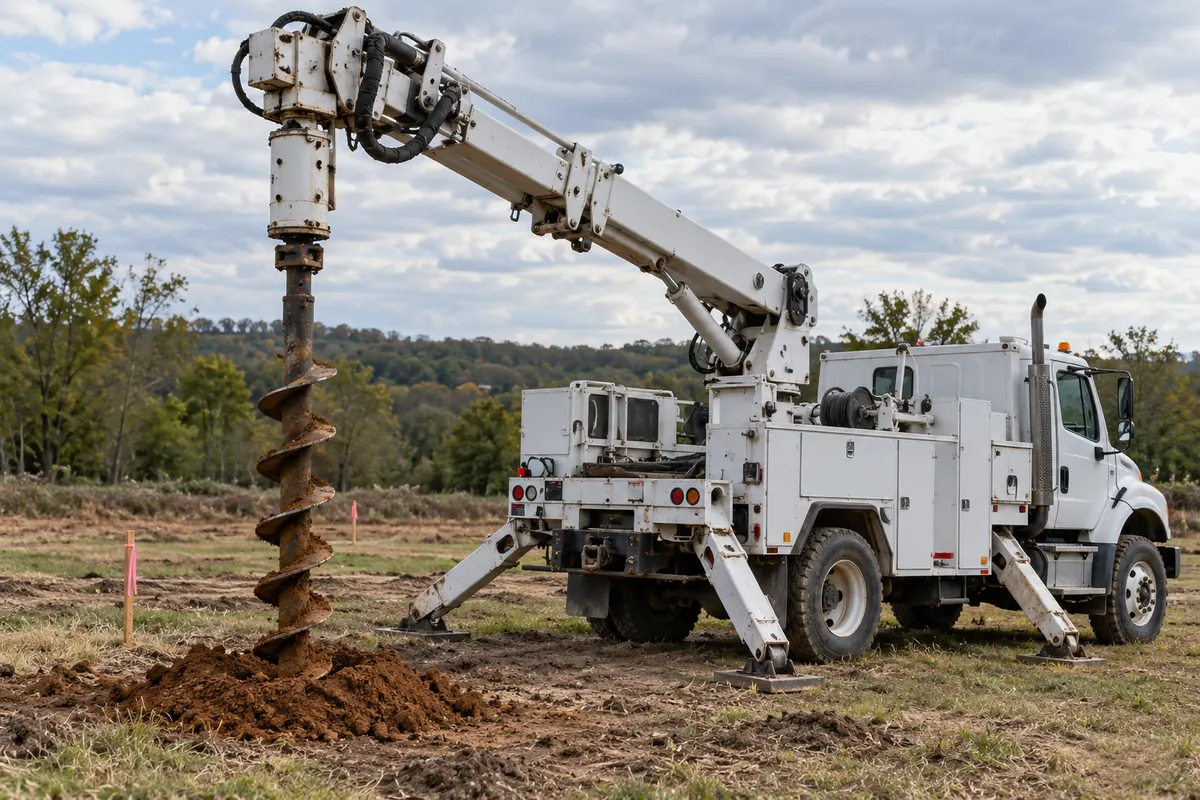
The pictures on this page are illustrations, not photos of customer vehicles.
Real-time trackers report over the cellular network, and that carries a monthly plan from the tracking provider. Bluetooth tags don't need one of their own.
PTO, short for power take-off, is how a truck's engine drives its hydraulic equipment: booms, augers, beds, blades, pumps and moving floors. Most owners don't call it PTO. They just want to know when the equipment was working. These pages explain how that is done on each type of truck:
For PTO monitoring on other trucks, and auxiliary inputs such as doors, lights and beacons, see our PTO and equipment integration page.
More than most buyers expect. A tracker on the wrong ignition source shows false idling. A device left hanging under the dash gets kicked loose and goes quiet. A camera cable rubbed through on a box truck takes the picture with it. The device you choose decides what you can see; the install decides whether you can trust it. We install all of the types on this page at your yard, across eight states, and test each one against your platform before the vehicle goes back out.
We don't install radar sensors or starter disable systems.
Common questions
Wired trackers installed on the vehicle's diagnostic port or hardwired to its power, battery-powered asset trackers for trailers and equipment, and Bluetooth tags for tools that are read by nearby trucks.
A vehicle GPS tracker runs on the vehicle's power and reports constantly. An asset tracker has its own battery for things with no power, and usually reports less often to save battery.
No. A Bluetooth tag has no GPS of its own. It is seen by a nearby reader, such as a tracker on a truck, which reports where it saw the tag.
Often, yes. Many fleet telematics devices do both. Ask your provider before adding a second device.
No. We don't install radar sensors or starter disable systems.
Tell us what you want to know about your vehicles and equipment, and we will tell you which type answers it. Call or text 803-513-1009.
Constant. Ignition. Ground.
API Signal