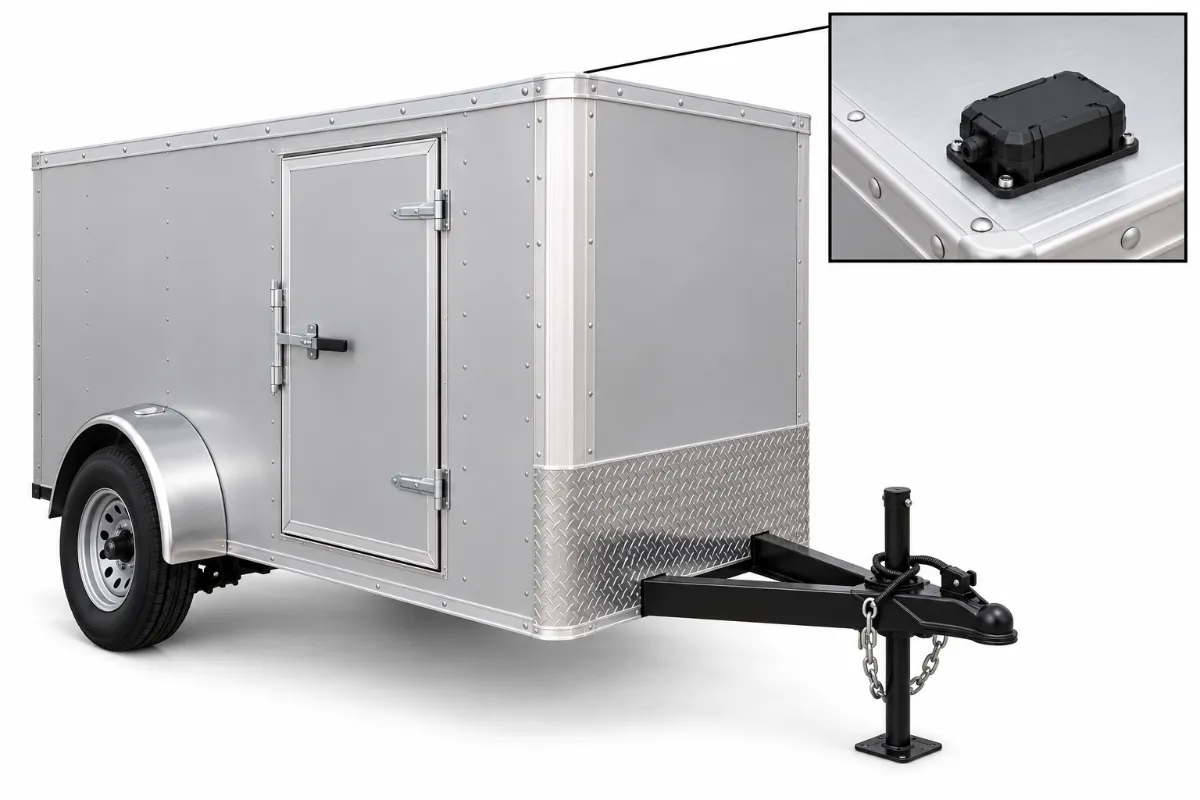
A stolen trailer usually takes the job with it: the mower, the tools, the generator, the materials. We install GPS trackers on every kind of trailer across Georgia, South Carolina, North Carolina, Tennessee, Virginia, Alabama, Florida and Mississippi, hidden where a thief won't think to look and powered so they keep reporting.
When customers ask us to track their trailers, the reason is almost always the same: theft. Trailers are easy targets. They sit in yards, on job sites and in driveways overnight, often unhooked and with nothing on them that reports where they are. Anyone with a hitch can be gone with one in minutes, and a trailer has no engine to disable and no ignition to cut.
A tracker doesn't stop a thief from hooking up. What it does is tell you the trailer moved when it shouldn't have, and show you and the police where it went. The faster you know, the better your chances of getting it back with the load still on it.
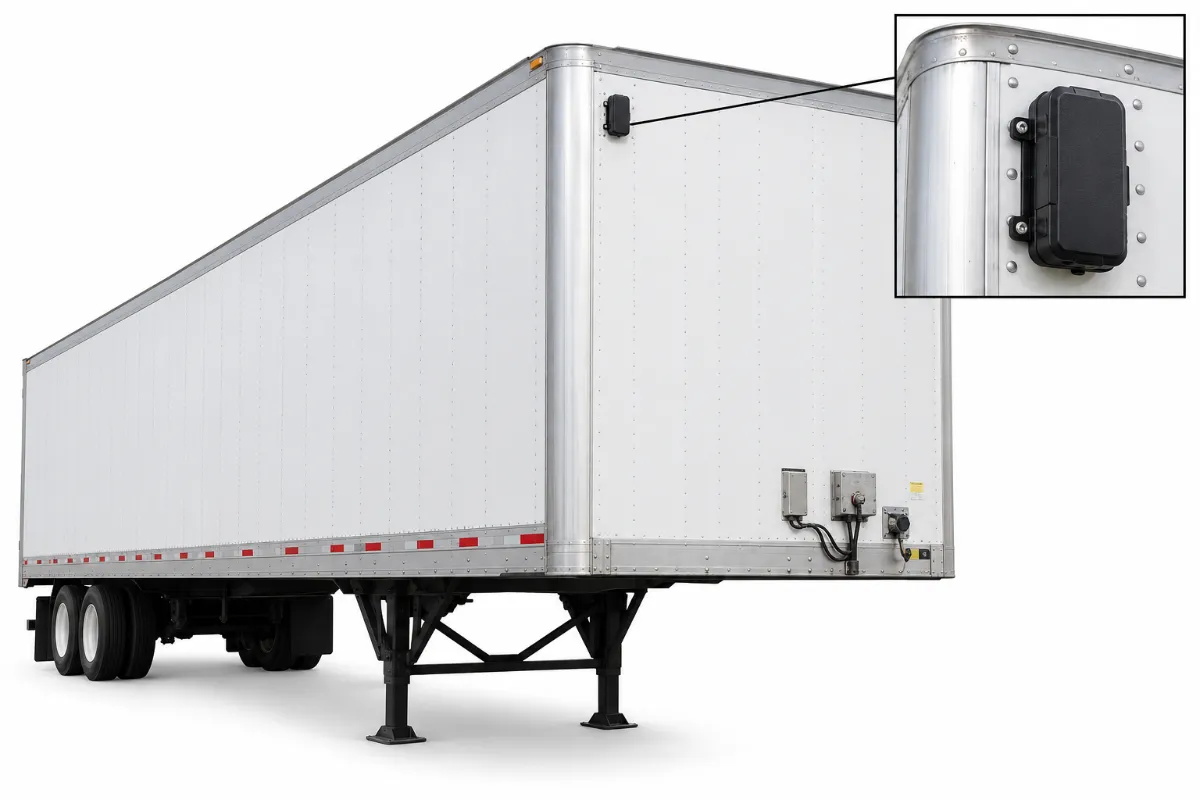
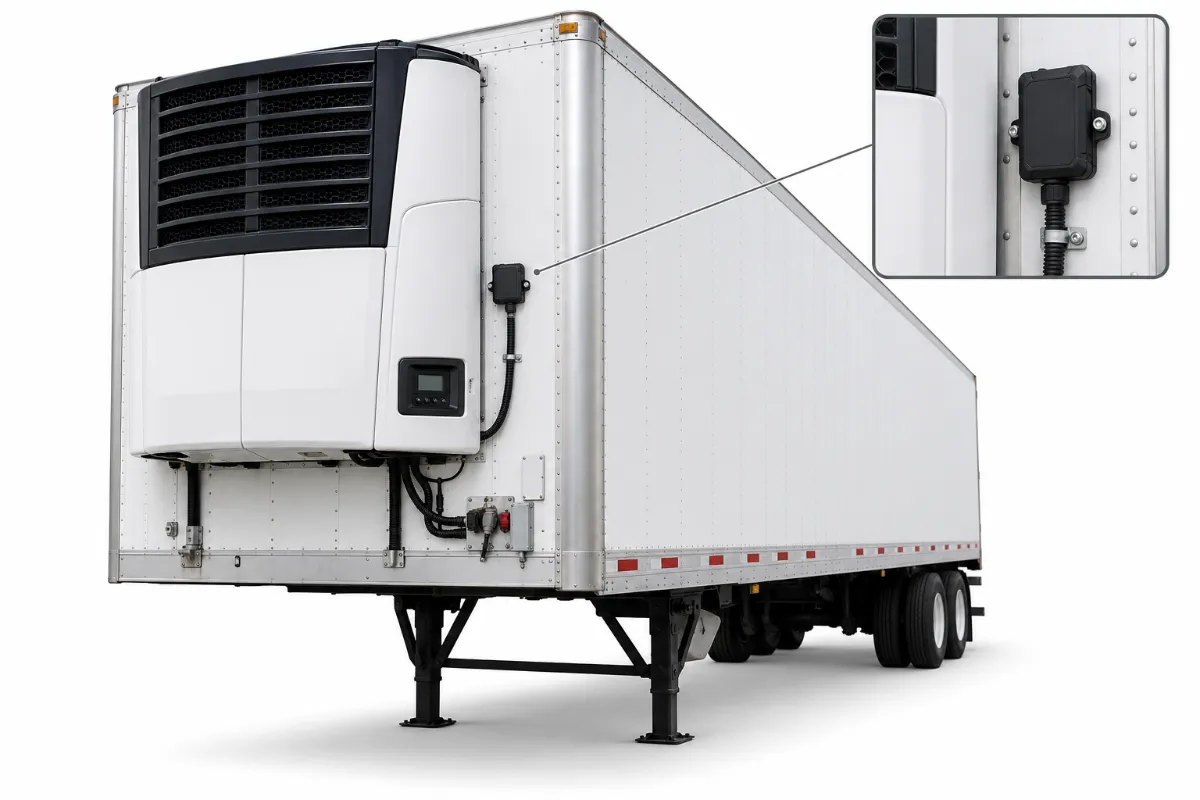
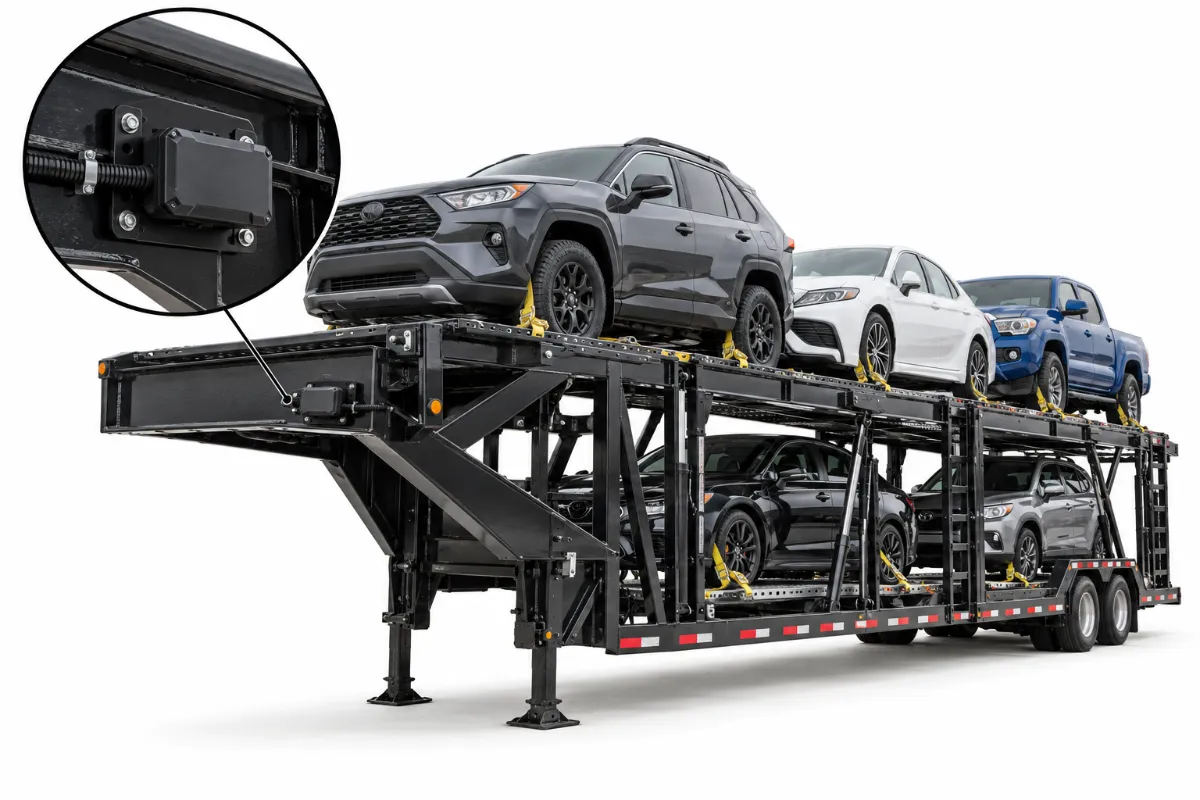
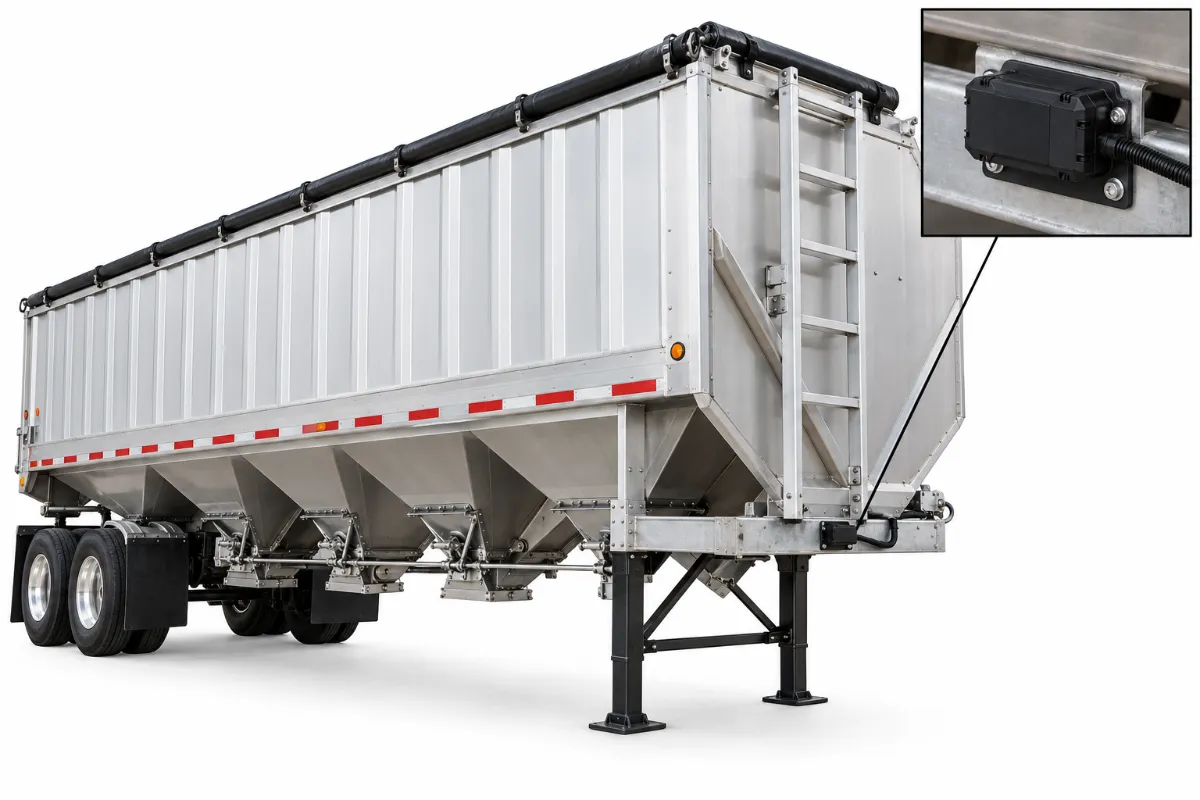
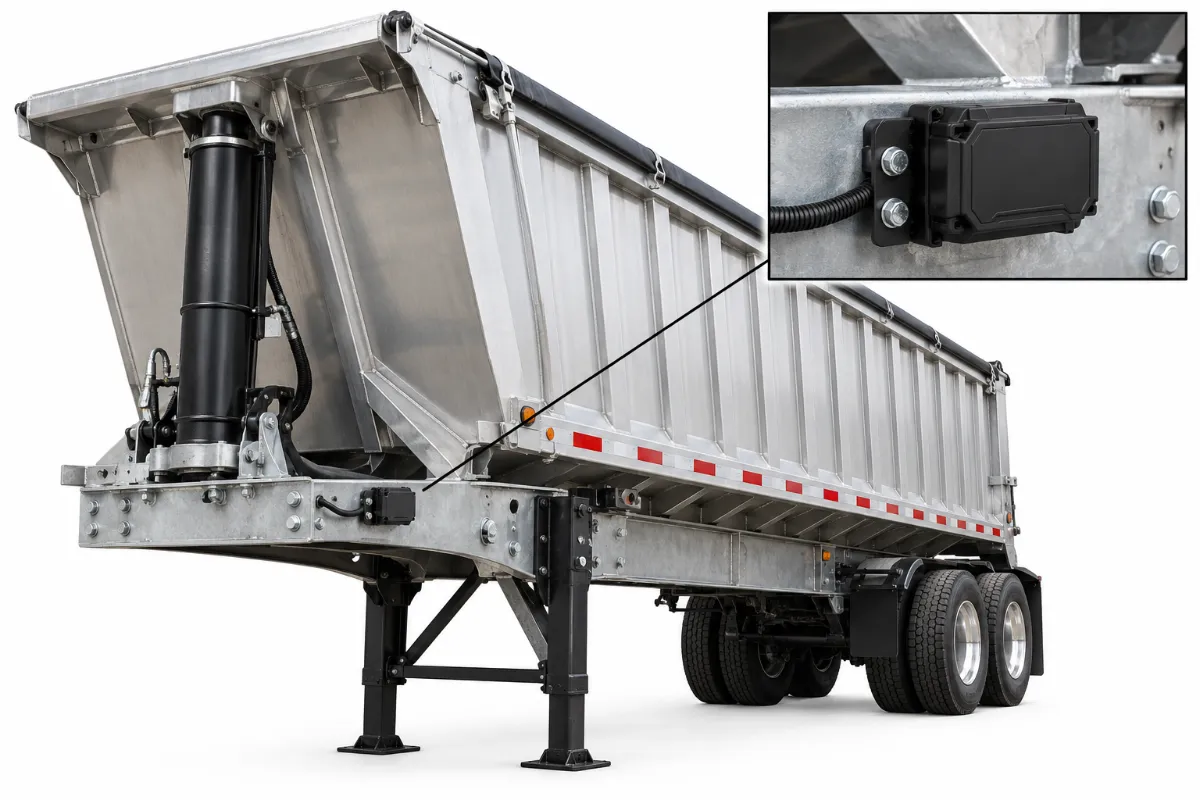
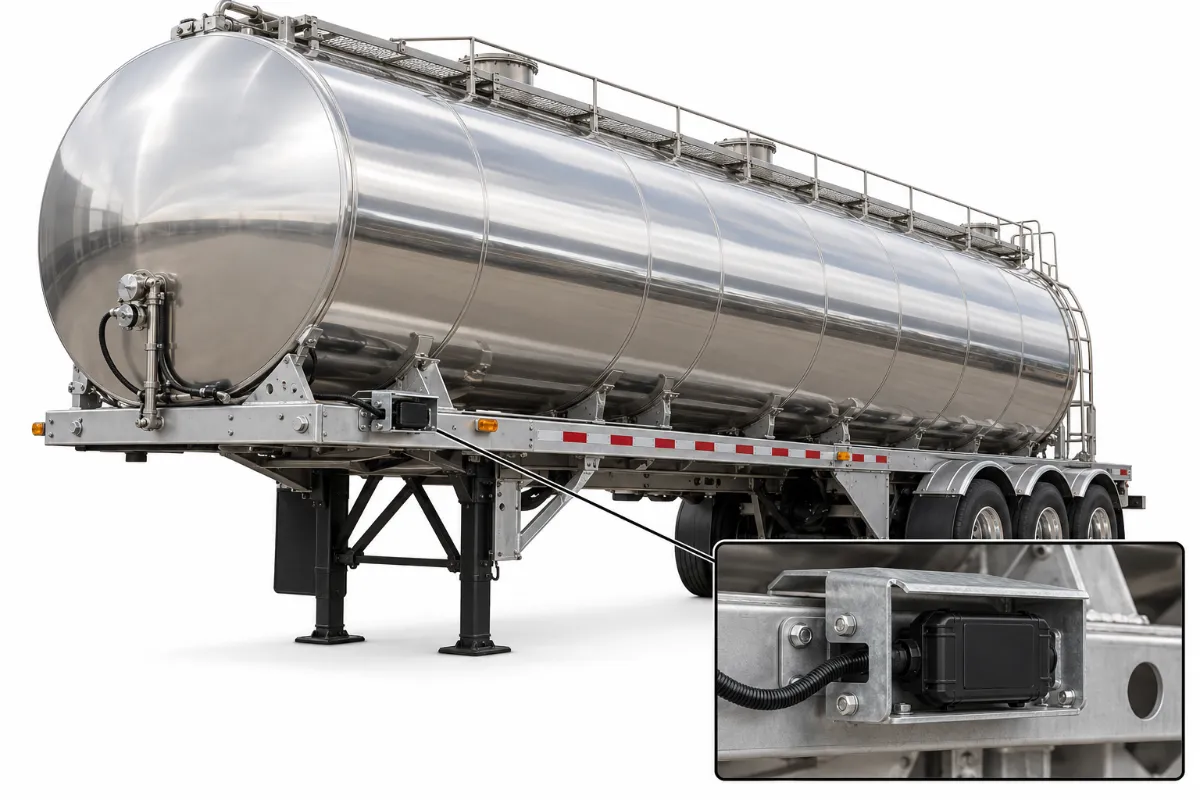
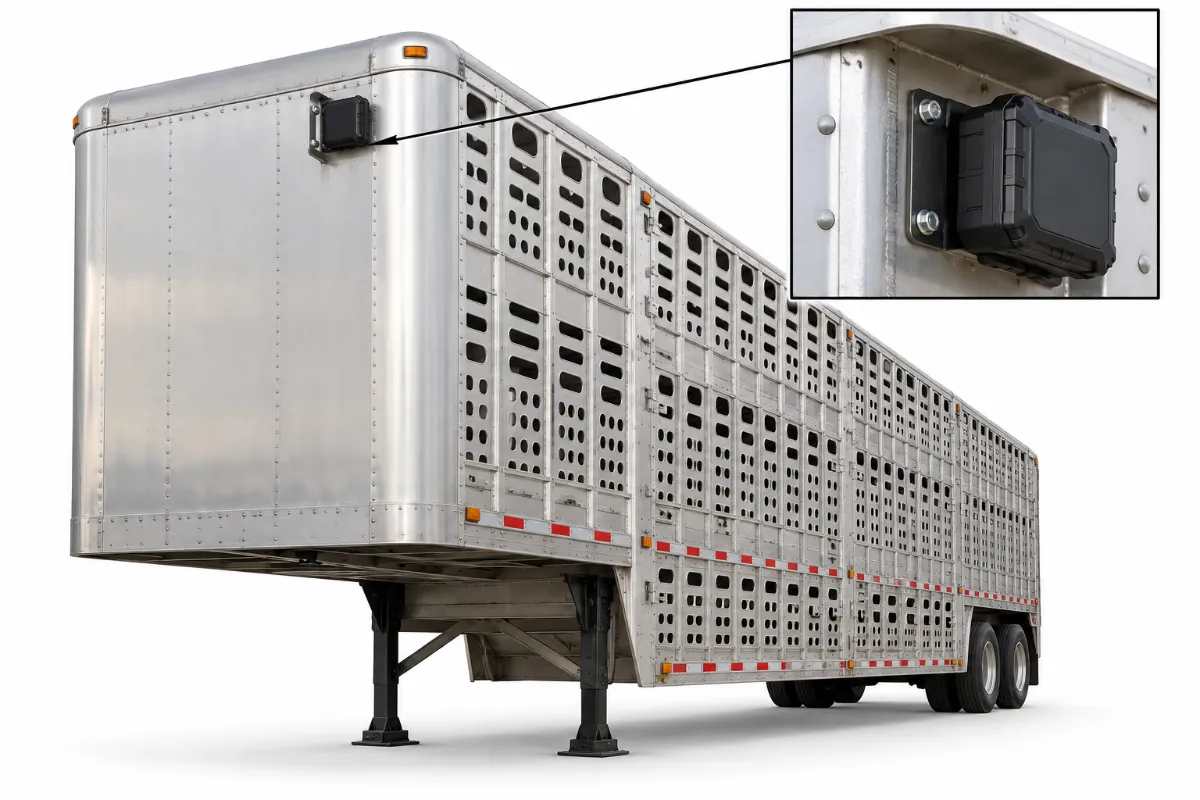
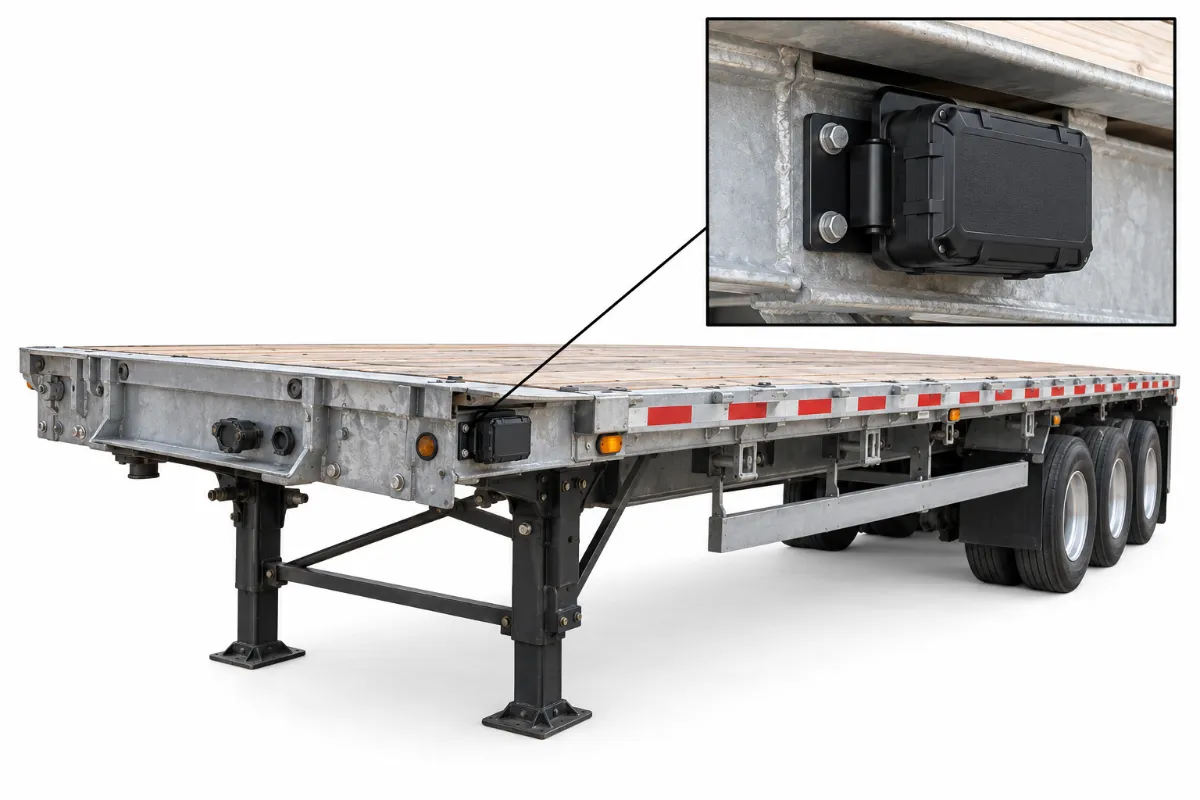
We've put trackers on all of them, and each one hides a tracker differently:
A trailer only gets power from your truck while it's plugged in, and a stolen trailer isn't plugged into your truck. So the power source matters more on a trailer than anywhere else.
If you're wiring one yourself, the Vehicle Wiring Database has the wire colors for the trucks that tow them.
A tracker that's easy to find is easy to rip off. We mount it out of plain sight, off the ground where road spray, low branches and loading can't knock it loose, and away from metal that blocks the GPS and cellular signal. On an enclosed trailer that can mean inside the body; on an open trailer it means a protected spot in the frame. Each trailer is different, and picking the spot is the part of the job that decides whether the tracker is still working a year from now.
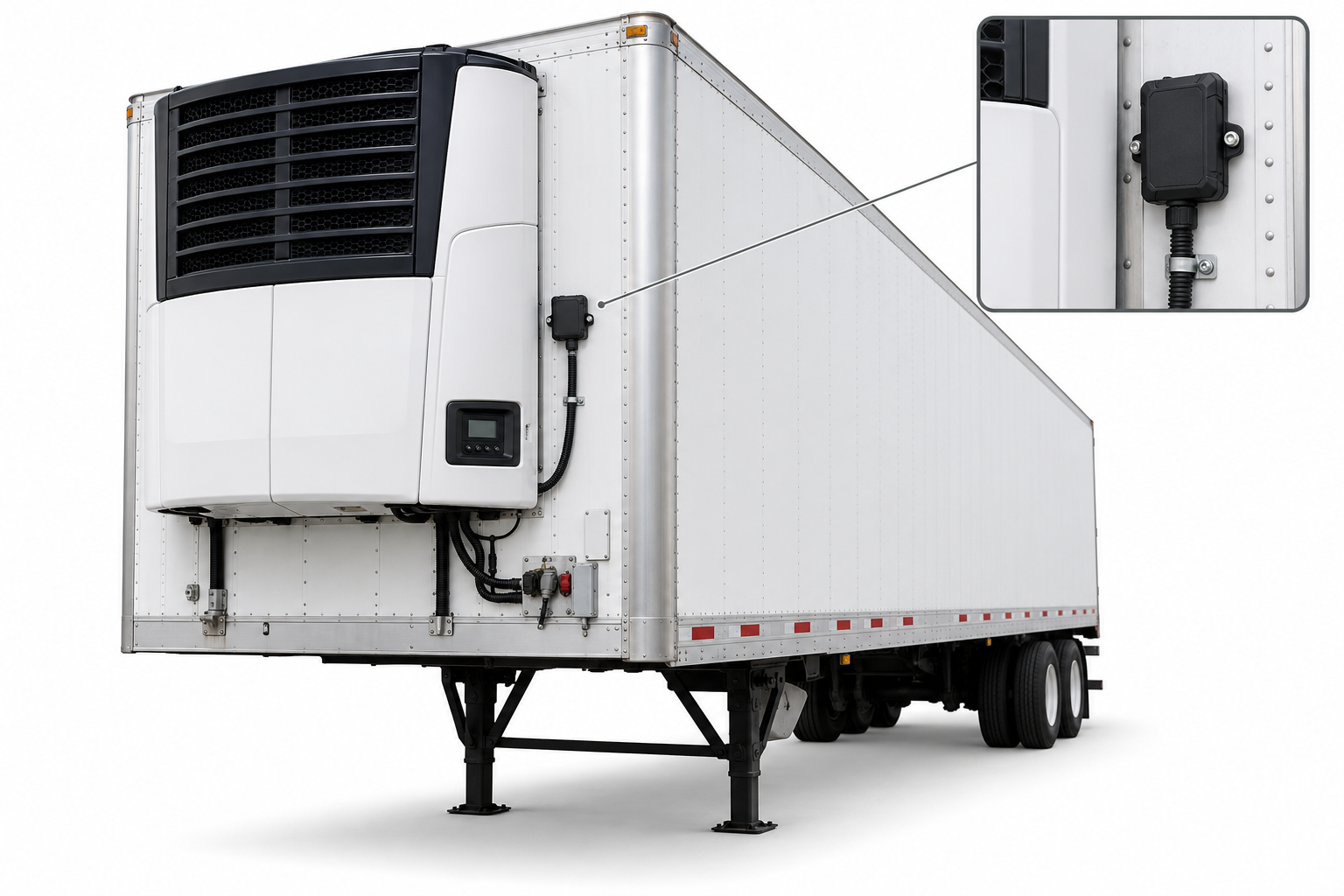
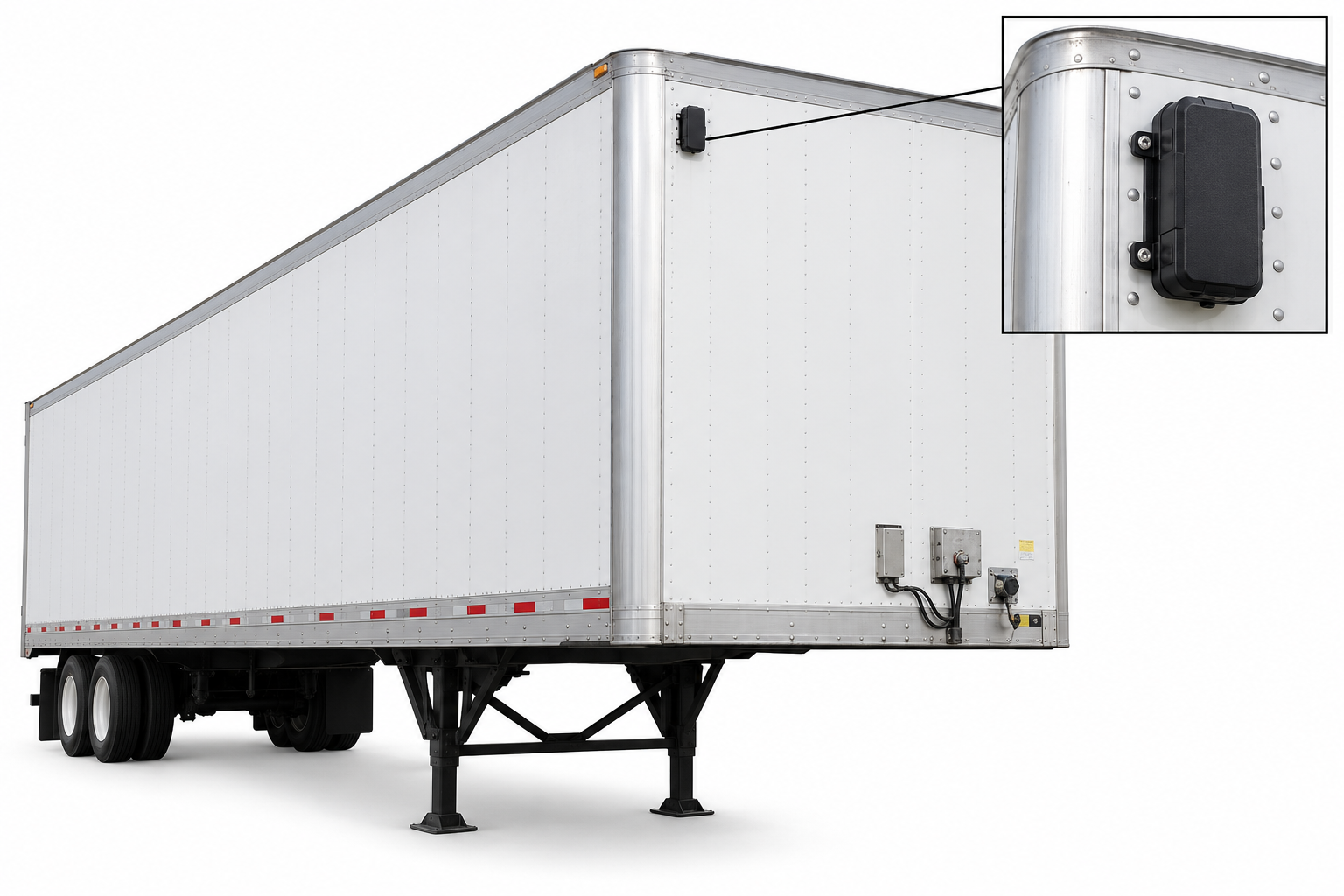
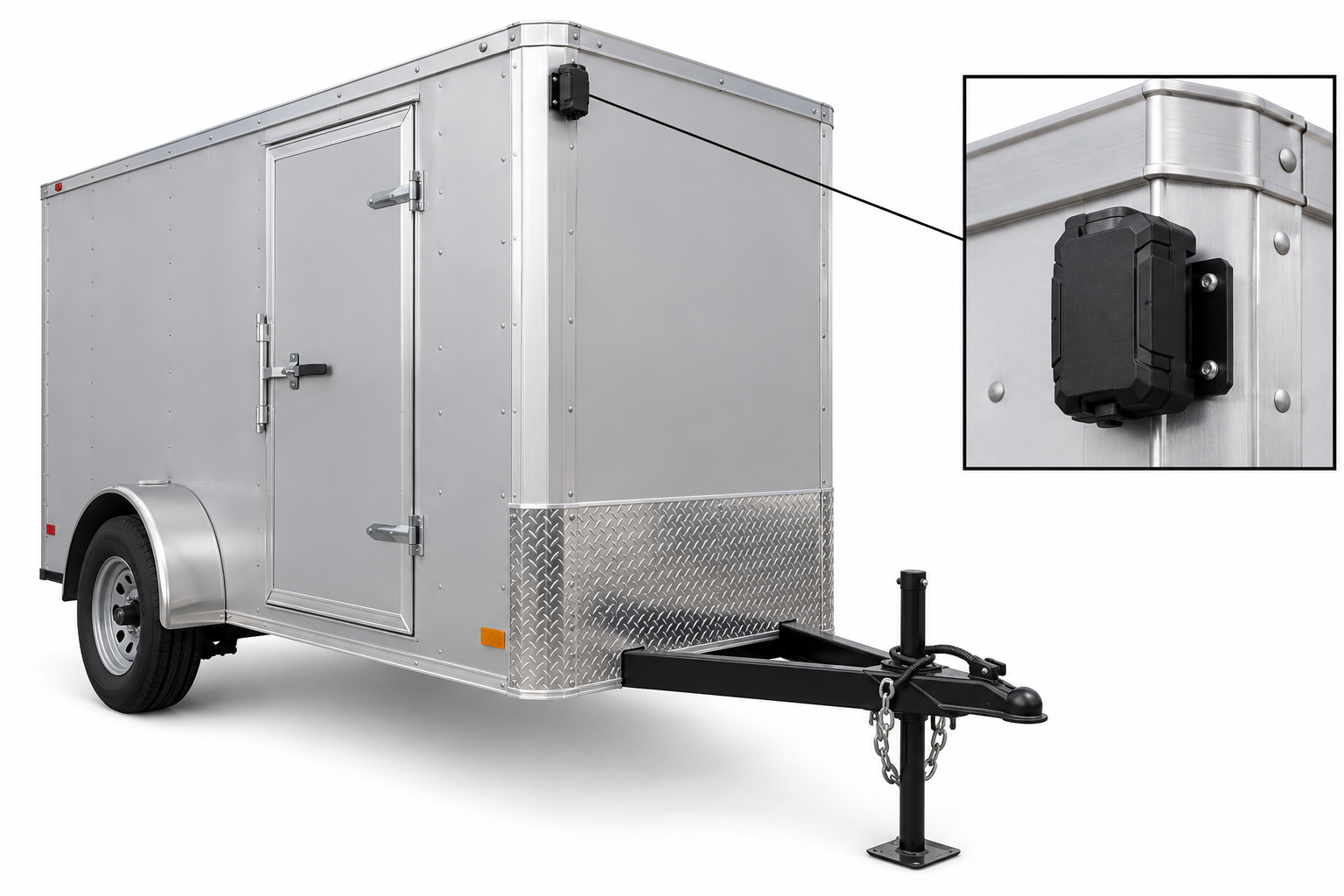
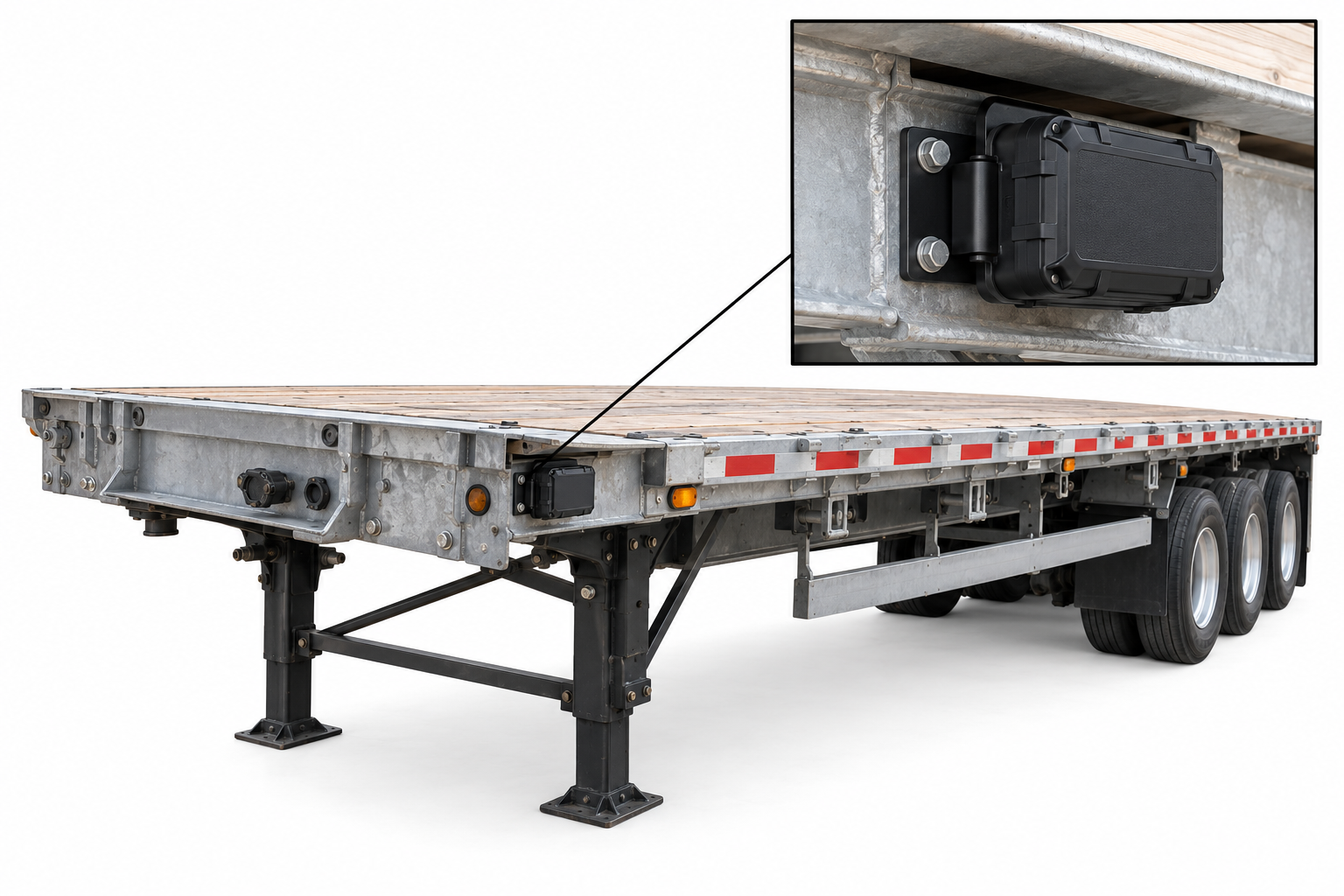
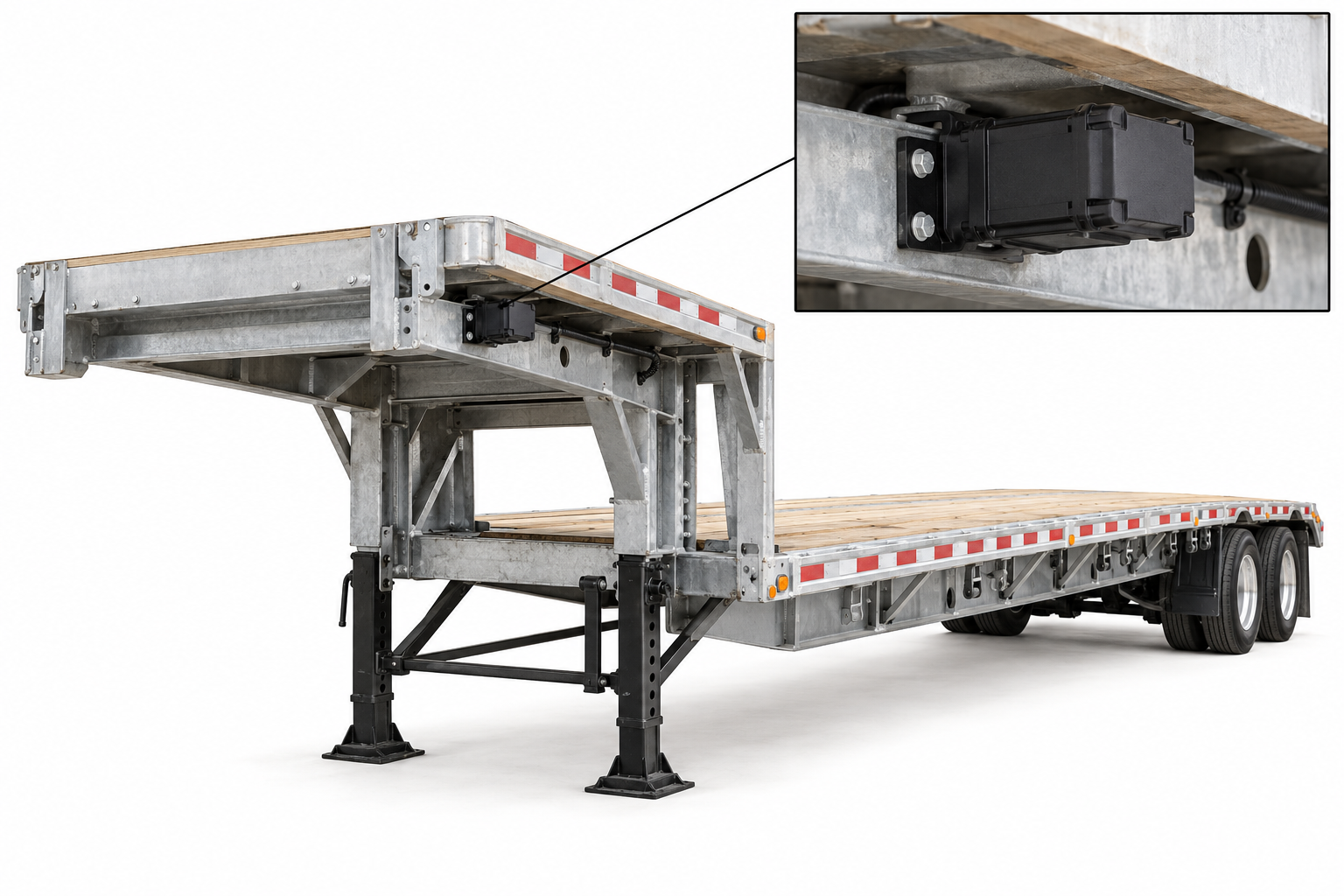
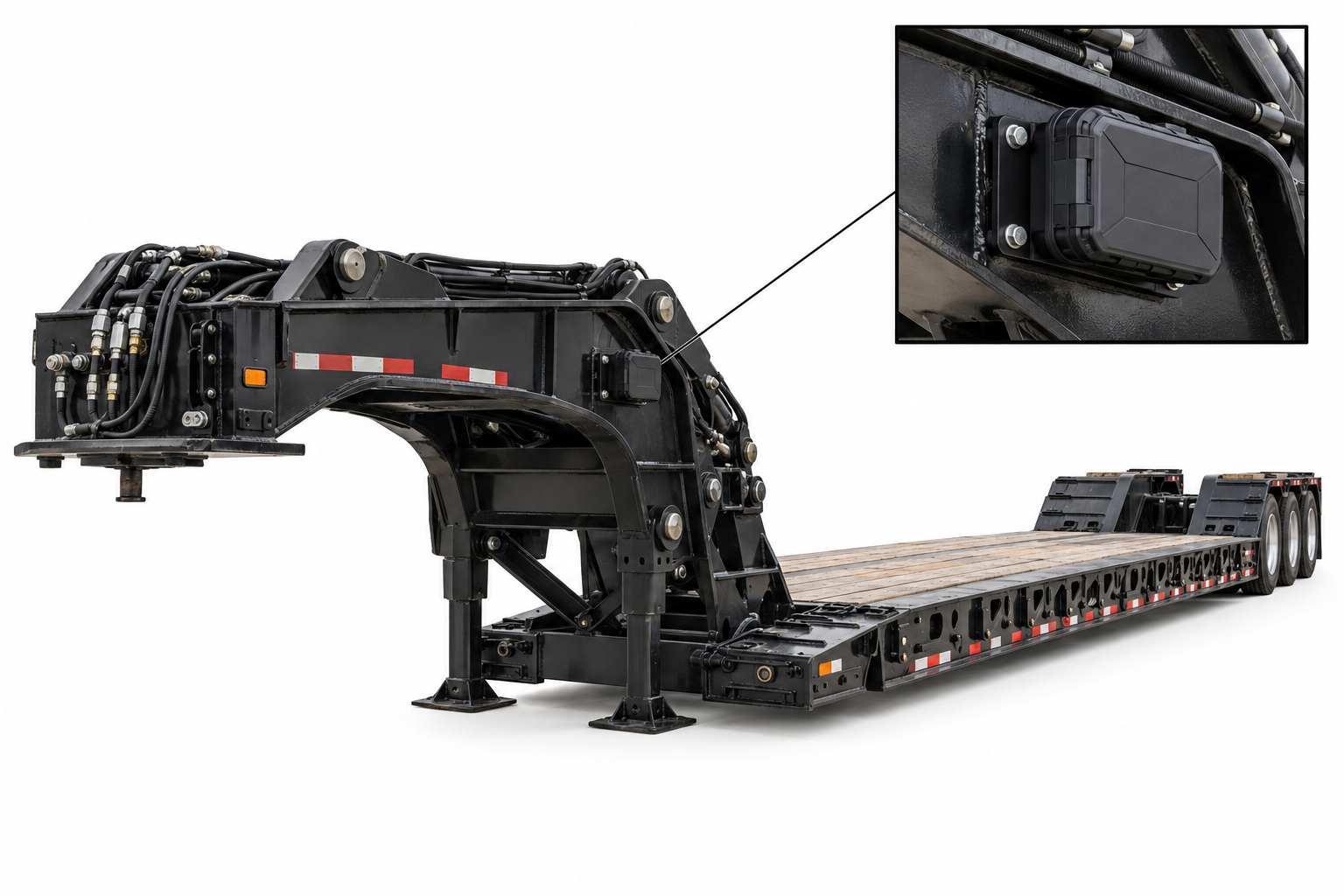
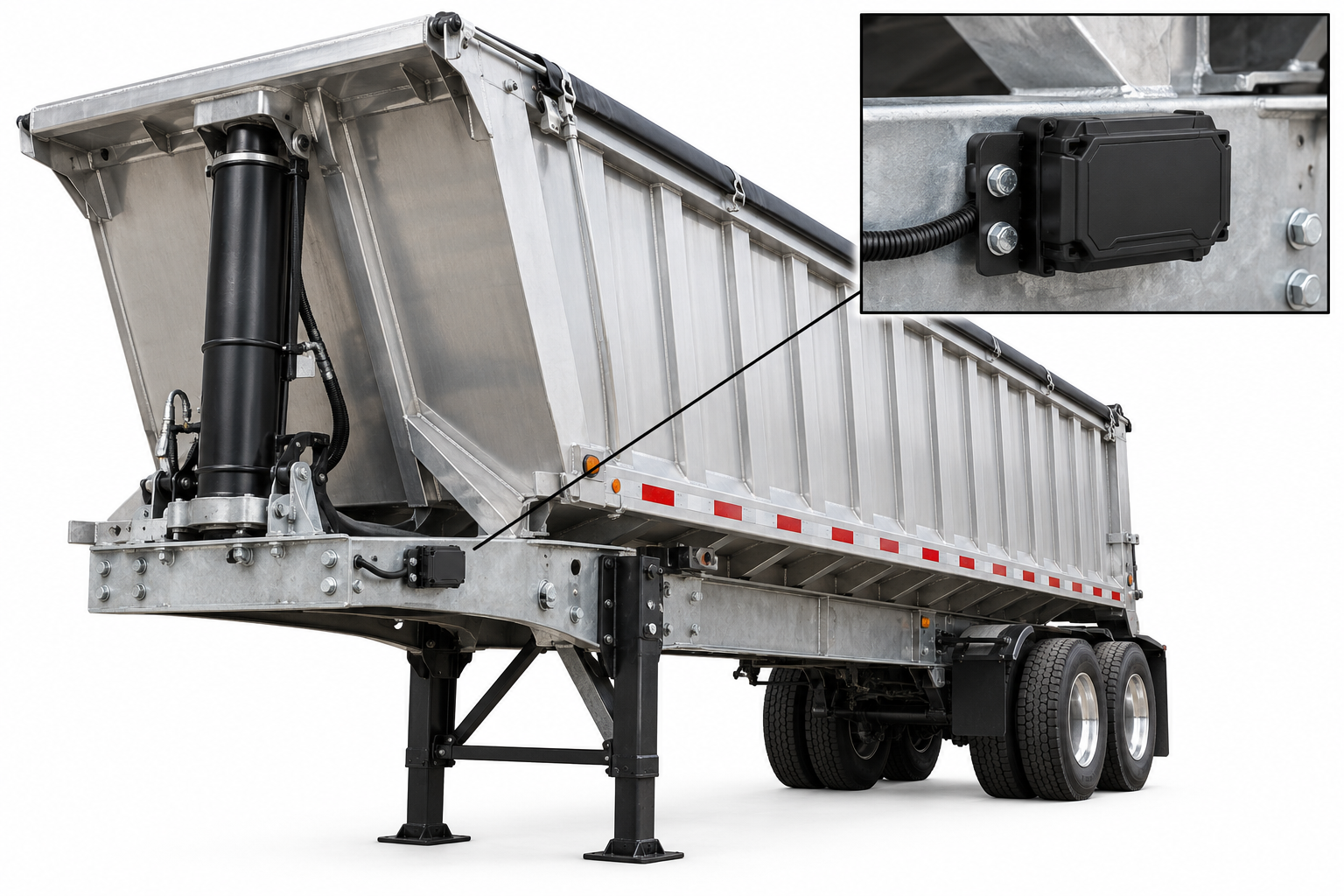
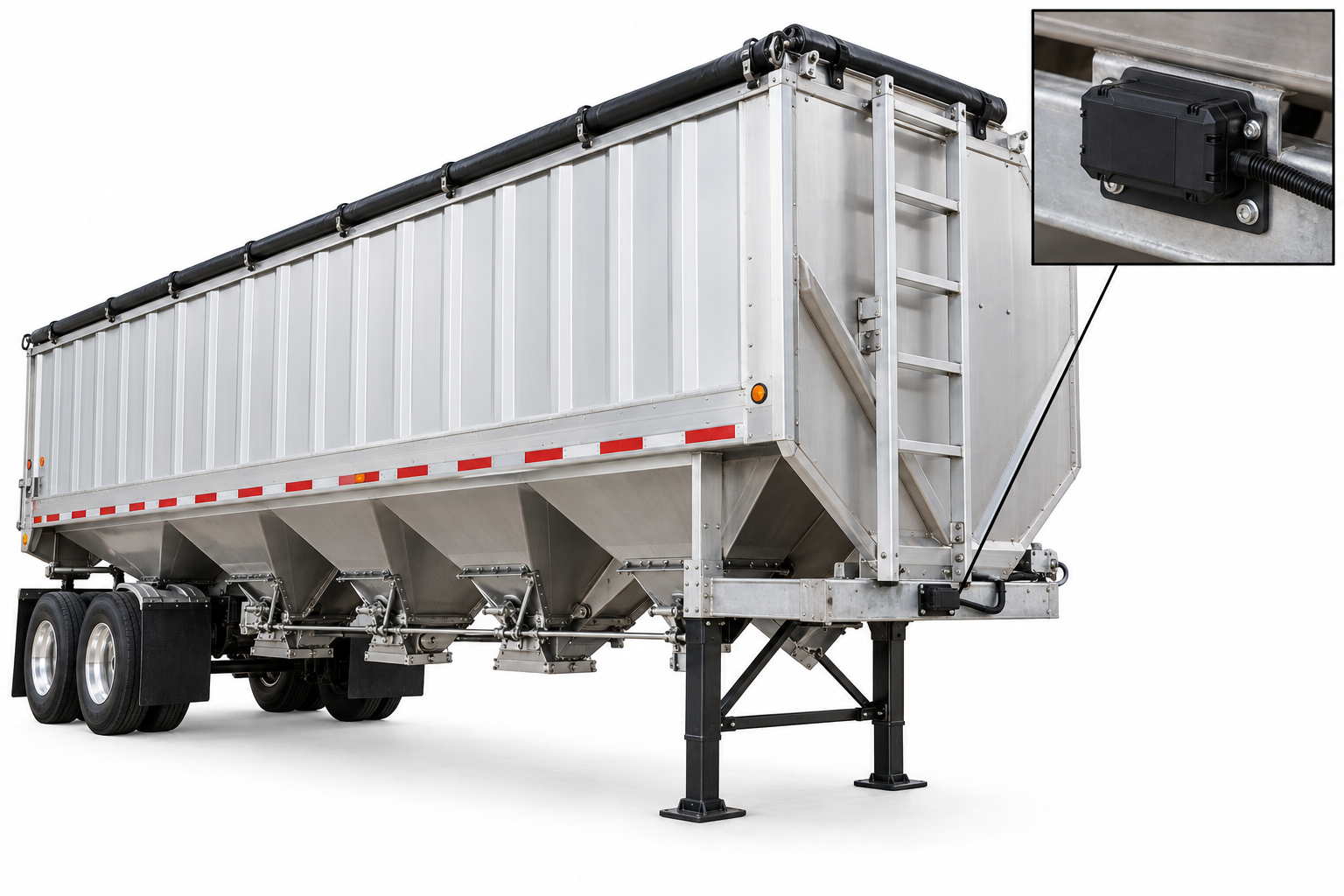
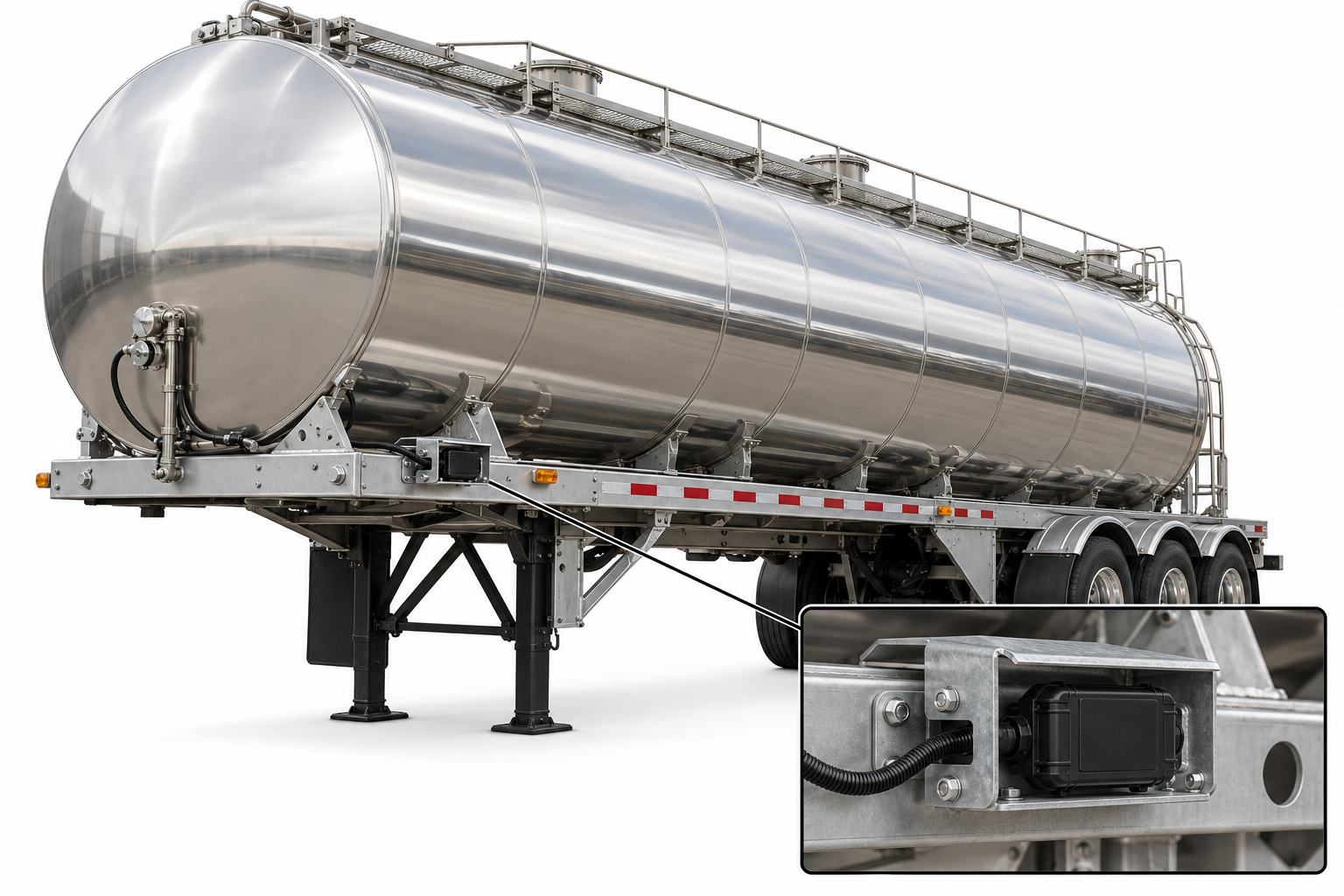
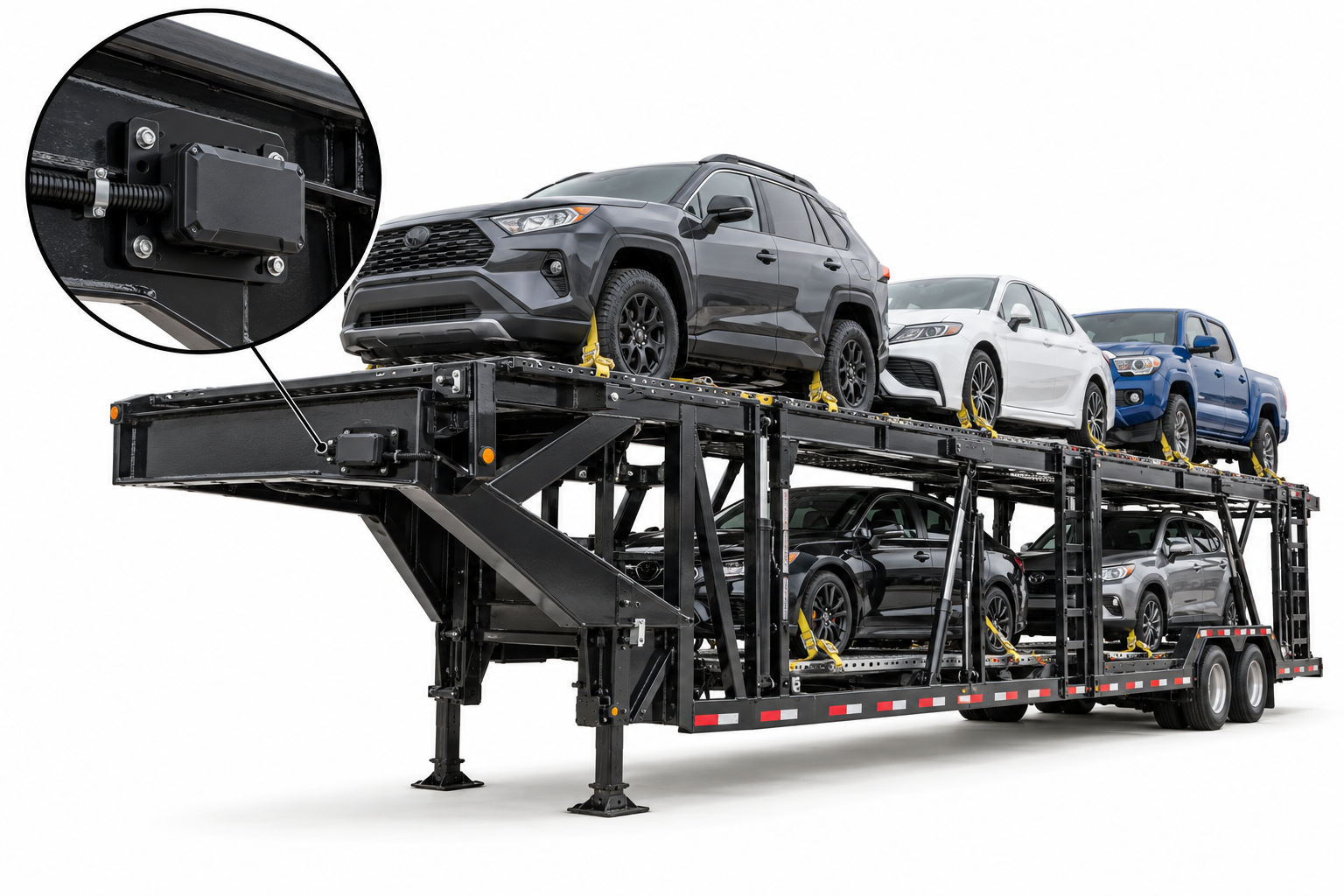
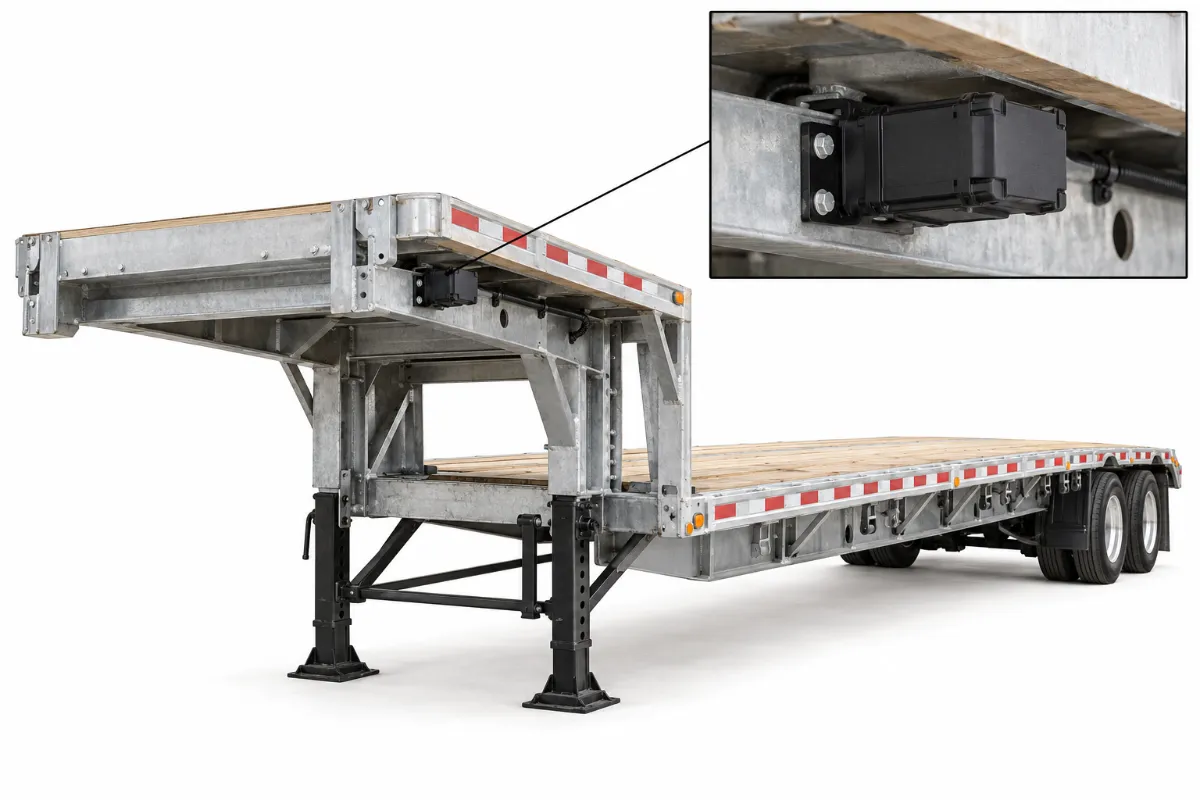
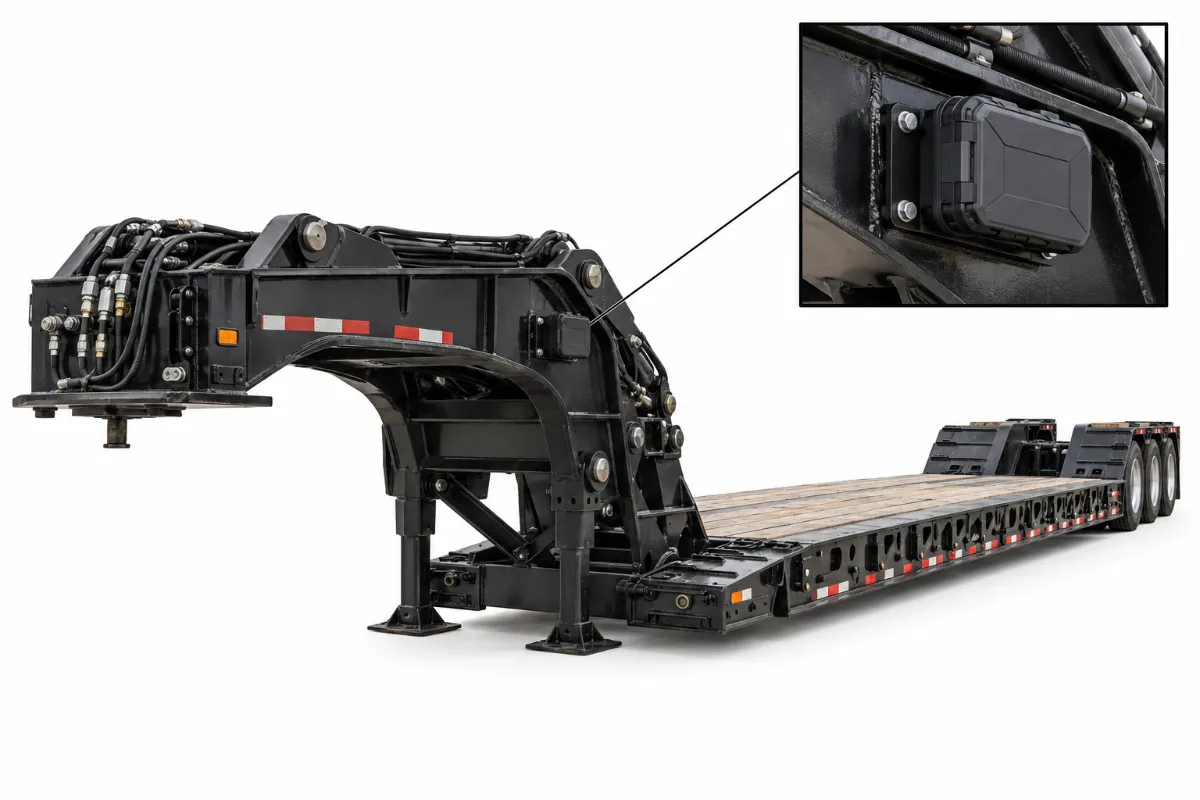
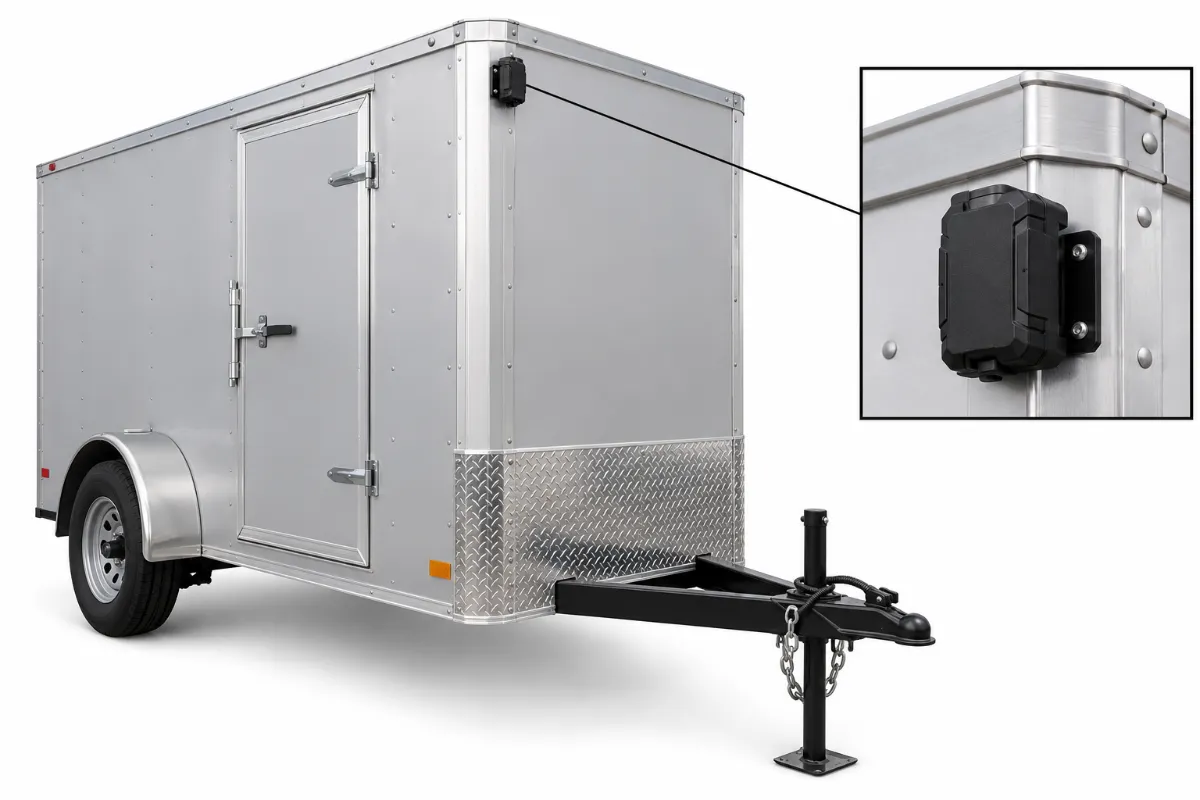
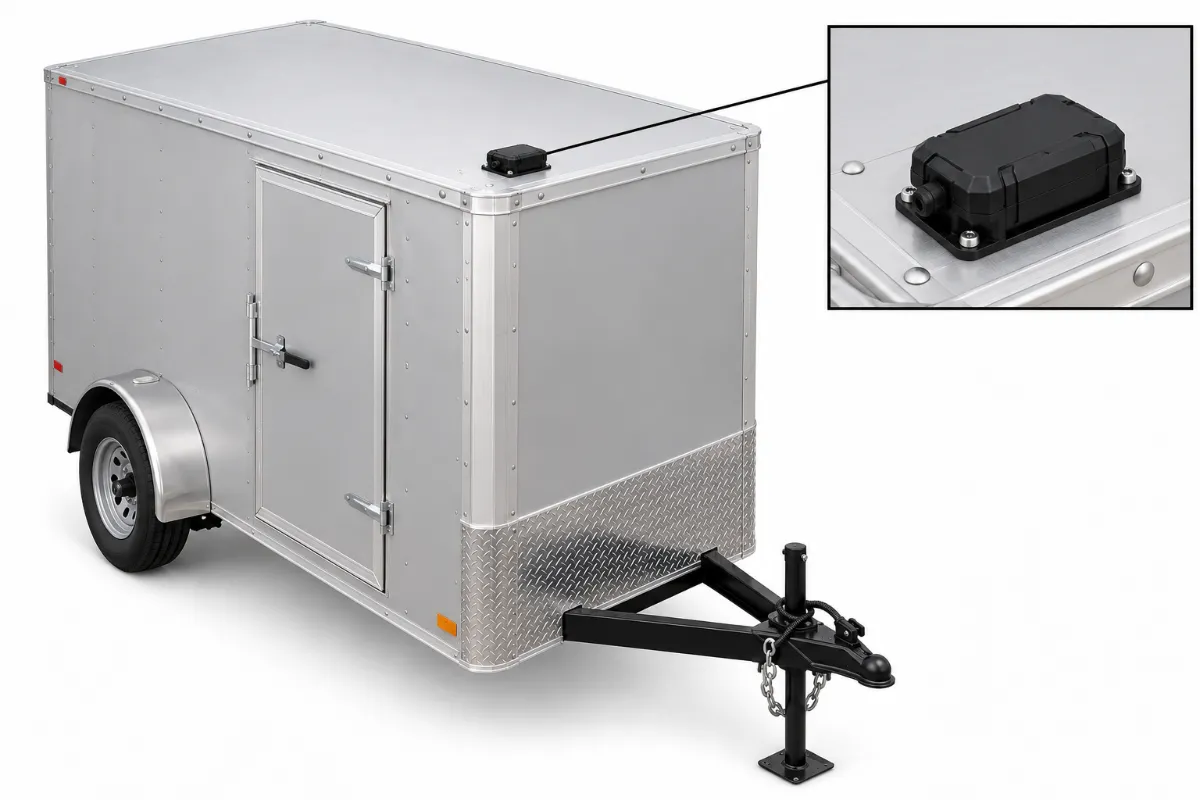
Illustrations show typical mounting spots; the close-up shows where the tracker sits on each trailer type.
Every trailer type gives you different places to mount a tracker. These illustrations show example mounting spots on thirteen common trailers, from dry vans and reefers to lowboys and small enclosed cargo trailers. They are drawings for reference, not photos of a customer's trailer. On a real install we usually pick a less visible spot than the one shown, because a tracker a thief can see is a tracker a thief can pull off.
We want you to know this before you buy: a tracker that shows you where your trailer is in real time needs a cellular plan, the same way a phone does. That means a monthly fee from the tracking provider on top of the device and the install. When we quote you, we show the device, the install and the monthly plan together, so there are no surprises later.
If your trucks already run a tracking system, most major platforms offer trailer and asset trackers that show up on the same map as your vehicles. We install whichever units your platform supports. For trackers on generators, containers and other equipment with no power, see our wireless and passive tracking page.
Common questions
Any tracker draws some power. That's why we check the breakaway battery and its charger before connecting to it, and use a tracker with its own battery when the trailer's battery isn't up to the job.
Yes. We power it from a battery on the trailer or use a tracker with its own battery, so it keeps reporting when the trailer is parked and unplugged from your truck.
Nothing is impossible to find, but we hide trackers where people don't look and where a quick search won't turn them up.
Both. We come to your yard or job site and install on one trailer or a whole lot of them.
For live location, yes. Real-time trackers report over the cellular network, and that carries a monthly fee from the tracking provider. We show it in your quote up front.
Tell us how many trailers and what kind. We'll quote the device, the install and the monthly plan together. Call or text 803-513-1009.
Constant. Ignition. Ground.
API Signal