Rock Hill runs police, fire, public works and utility fleets out of five separate motor pools, in a county that added more than 24,000 people in five years. We install GPS, cameras and telematics on all of it.
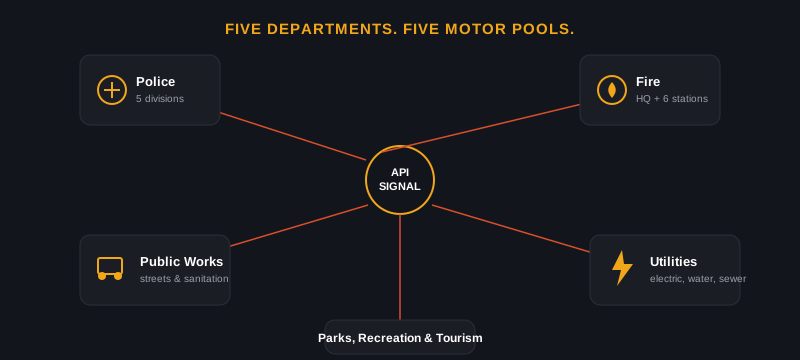
Rock Hill is York County's largest city and the fourth-largest in South Carolina, and its municipal fleet is split across five departments that each run their own motor pool: Police, Fire, Public Works, Rock Hill Utilities, and Parks, Recreation & Tourism. There is no single yard where all of it sits - an install here means coordinating five separate schedules, not one.
Rock Hill Police Department, headquartered at 120 E. Black Street, runs five operating divisions - Patrol, Criminal Investigations, Community Engagement, Professional Standards, and Technical Services. Marked patrol cars, unmarked investigative vehicles, and specialty units all carry different visibility requirements, and they don't get the same hardware in the same place.
Rock Hill Fire Department runs a headquarters on S. Elizabeth Lane plus six stations spread from Albright Road to Airport Road, covering a city that's grown well past its original footprint. Apparatus rolls out of six different bays, not one, which changes how an install schedule gets built.
Public Works keeps the city's streets, stormwater and sanitation routes running, with a mixed fleet of dump trucks, mowers, sweepers and pickups that turns over on a different cycle than patrol cars or fire apparatus.
Rock Hill Utilities is a municipally owned electric, water and sewer system run out of a service center on S. Anderson Road, with bucket trucks, vac trucks and line crews that are already built out with booms, outriggers and PTOs before a tracker or camera ever goes in.
Every major platform, fitted by technicians who understand what is already living in a city vehicle before anything else goes in.
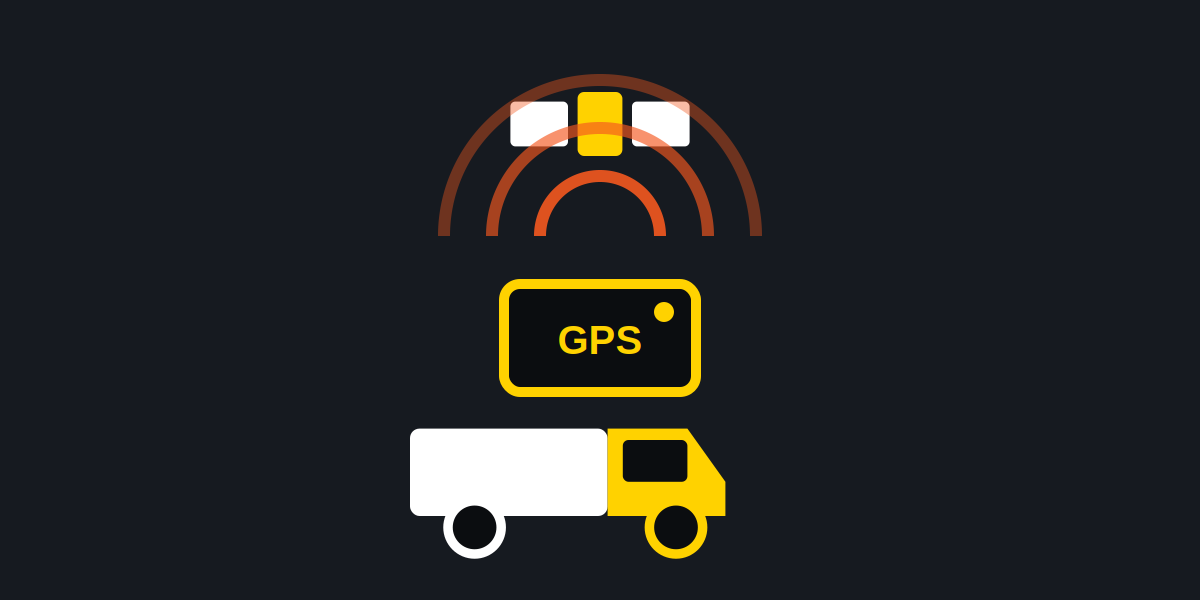
Hardwired units on patrol cars, apparatus and utility trucks, OBD units on staff and inspection vehicles, and battery-powered trackers on trailers, mowers and towed equipment.
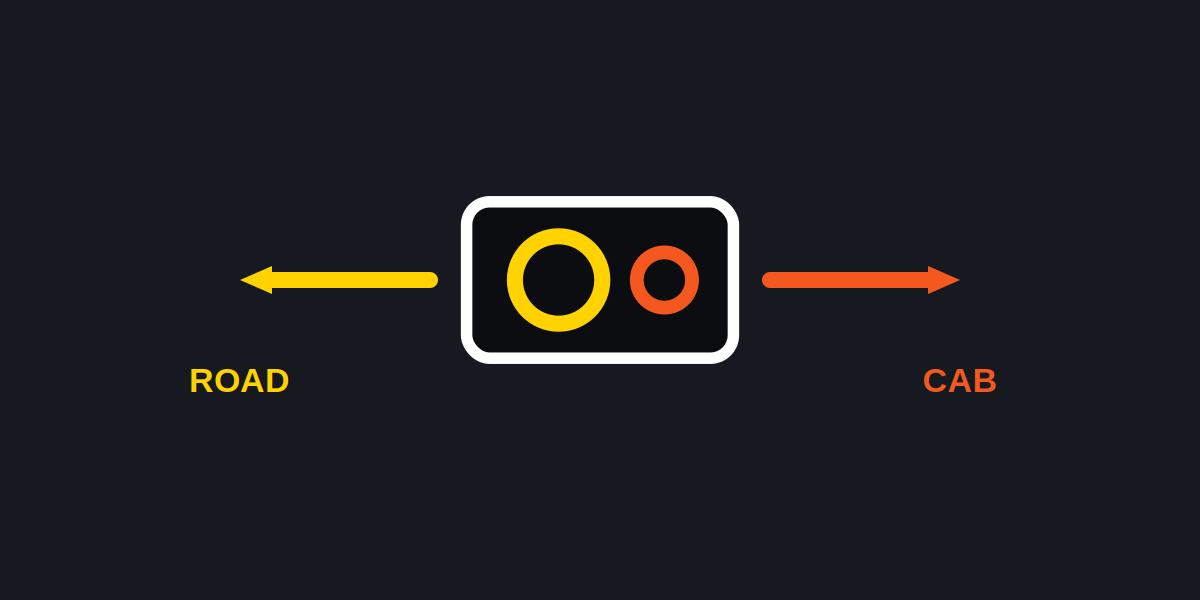
Road- and driver-facing cameras plus backup cameras, fitted to patrol cars, apparatus and utility trucks where the footage has to be there and working the one time it is needed.
Fleet-wide telematics that ties five separate motor pools into one dashboard, so utilization, idle time and maintenance data show up in one place instead of five.
Camden's fleet answers to one fire department and a county sheriff. Rock Hill's answers to five city departments that don't share a yard, a shift schedule or a vehicle spec. Police vehicles come out of a police garage, fire apparatus comes out of six stations, and Public Works and Utilities each keep their own lots. A crew that shows up expecting one intake list is going to be wrong four times out of five.
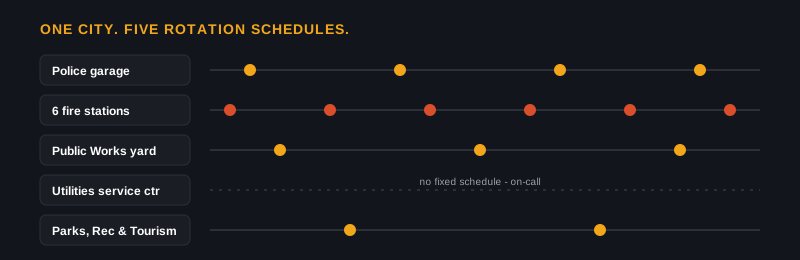
That means the install has to be scheduled around five different operating rhythms - patrol cars rotate through a garage on a set cycle, fire apparatus can't leave a station uncovered, and utility trucks go out on outage calls with no notice at all.
We build the schedule around the department, not the other way around, and we don't ask a city fleet manager to consolidate five motor pools into one afternoon just to make our week easier.
Patrol cars are marked, visible, and built to be seen. Criminal Investigations runs unmarked vehicles where a visible antenna or dash unit defeats the point of the vehicle. Technical Services and Community Engagement each carry their own mix.
Hardware placement has to match the division, not just the make and model - the same GPS unit that's fine on a marked patrol car is the wrong choice in the wrong spot on an unmarked one.
Rock Hill Utilities runs its own electric, water and sewer system, and its bucket trucks and vac trucks already have booms, outriggers and PTOs pulling power and space before we show up.
Power has to come from the right circuit, and the unit has to sit somewhere a lineman won't hit reaching for a control panel mid-job.
York County added close to 25,000 people between 2020 and 2025 - a 24.8% increase - and Rock Hill has felt it directly, with projects like Riverstone Logistics' $16.4 million, 159-job relocation to West White Street bringing more trucks and more traffic onto the same roads the city fleet already covers.
Departments are adding vehicles faster than paperwork can keep up, and a fleet that's growing needs tracking that scales with it, not a system built for the fleet the city had five years ago.
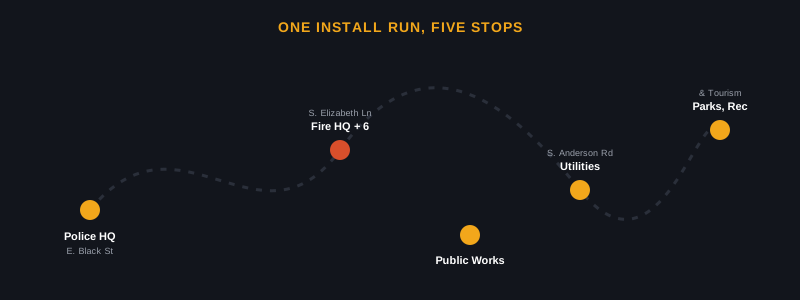
One install run can cover all five Rock Hill motor pools without asking a fleet manager to shuttle vehicles across town.
From the Police Department on E. Black Street to Rock Hill Utilities on S. Anderson Road, we cover Rock Hill and York County, door to door:
...from Fort Mill and Tega Cay to Clover, York and the rest of York County. We come to where the fleet already is rather than asking you to bring vehicles in.
All five. We've built install runs that cover Police, Fire, Public Works, Utilities and Parks, Recreation & Tourism in the same week, scheduled around each department's own rhythm rather than asking the city to bring every vehicle to one lot.
Yes. Marked patrol cars and unmarked Criminal Investigations vehicles get different hardware and different mounting, and we know the difference before we open a toolbox.
Yes. Utility trucks already carry booms, outriggers and PTOs, and installs get scheduled and wired around that equipment, not through it.
We can install at all six stations plus headquarters on S. Elizabeth Lane, or consolidate to fewer stops if that works better for the department's schedule.
Yes. York County's population grew nearly 25% in five years, and city fleets are growing with it. We install and support fleets as they add vehicles, not just on day one.
Tell us which departments and how many vehicles, and we'll build an install run that works around your schedule, not ours.
Fill out the form and we'll follow up with a scope and schedule for your departments.
Answer a few quick questions and we will build your custom quote in minutes.
Get a Quote