
Orangeburg owns its own electric, gas, water and wastewater utility, on top of a City fleet and a County fleet. We install GPS, cameras and telematics across all of it.
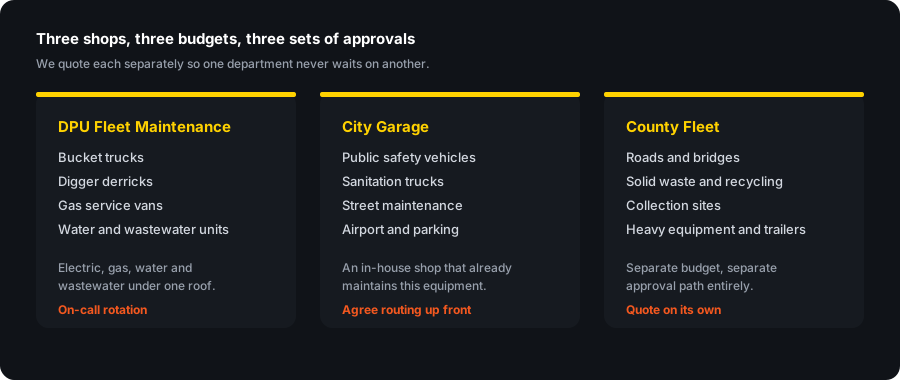
Orangeburg is unusual for a city its size: it owns its own utility. The Department of Public Utilities runs separate Electric, Natural Gas, Water and Wastewater divisions, with its own warehousing operation, a 24-hour dispatcher for utility problems, and a Fleet Maintenance division on its own direct line. Very few towns in South Carolina put bucket trucks, digger derricks and gas service vans on the road under municipal plates. Orangeburg does, every day.
That utility fleet is a different animal from a standard municipal yard. Aerial devices need PTO and body-in-motion wiring taken from the right place to report anything meaningful. Gas division vehicles carry equipment that will not tolerate a sloppy power feed. And because the electric side answers outage calls around the clock, a good share of these units are on call rather than on a shift, which changes how an install has to be scheduled.
The City side is separate again. Public Works covers Administration, the Airport, Building Inspection, the Garage, the Municipal Building, Parking Facilities, Sanitation and Street Maintenance. The Garage Division already maintains the public safety vehicles, sanitation trucks and service vehicles the City runs, so there is an in-house shop with its own standards for work done on that equipment. We work with that rather than around it.
Orangeburg County operates its own fleet on top of all this. County Public Services handles roads and bridges, solid waste disposal and collection sites, recycling, street signs, and its own fleet maintenance. Add the campus fleets at South Carolina State, Claflin and Orangeburg-Calhoun Technical College and there are more separate public vehicle operations inside this county line than the population would suggest.
Every major platform, fitted by technicians who have spent their working lives in twelve volt and know what aerial and heavy equipment does to a wiring job.
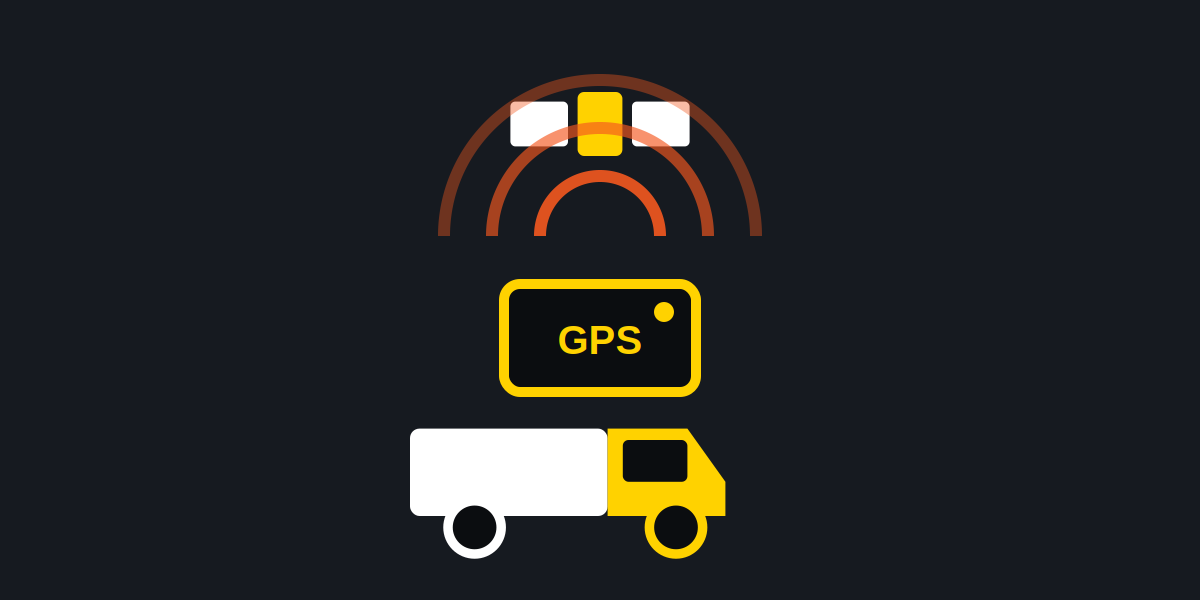
Hardwired units on bucket trucks, digger derricks, packers and patrol cars, OBD units on inspection and pool vehicles, and battery-powered trackers on trailers, pumps and towed equipment.
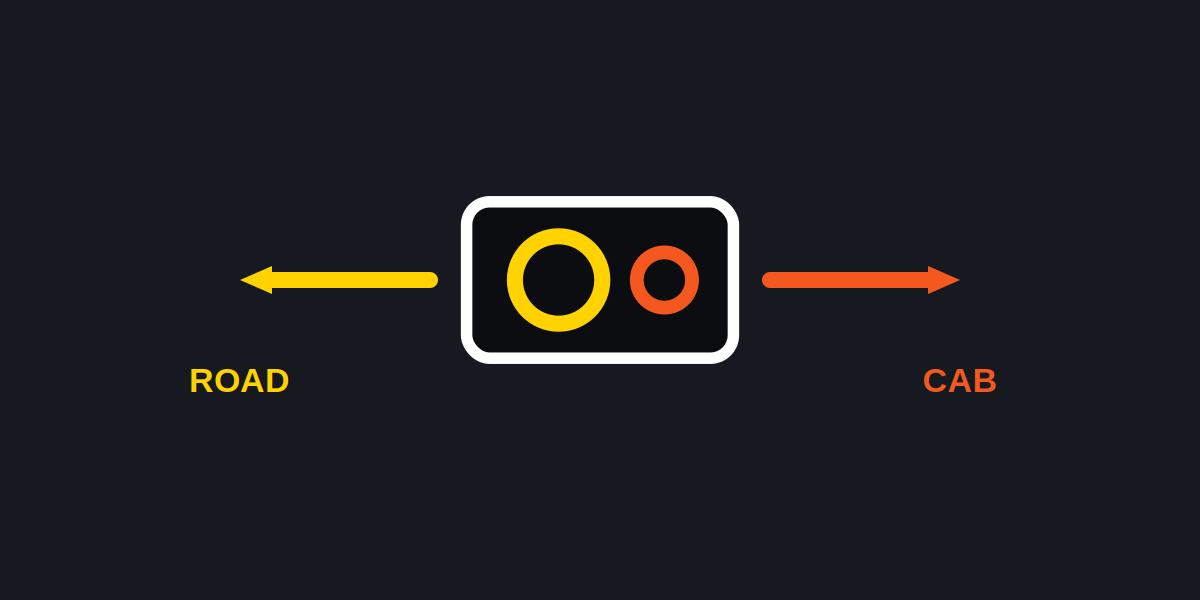
Road- and driver-facing cameras plus backup and side cameras, commonly fitted to refuse trucks and to utility units backing into tight easements and alley rights-of-way.
Road- and driver-facing cameras plus backup and side cameras, commonly specified on refuse trucks and on utility units that spend their day reversing into tight easements.
Most municipalities we work with have trucks. Orangeburg has a utility. Electric, natural gas, water and wastewater all sit under the Department of Public Utilities, which means aerial devices, line equipment, gas service vans and heavy support units share a yard with the usual municipal gear.
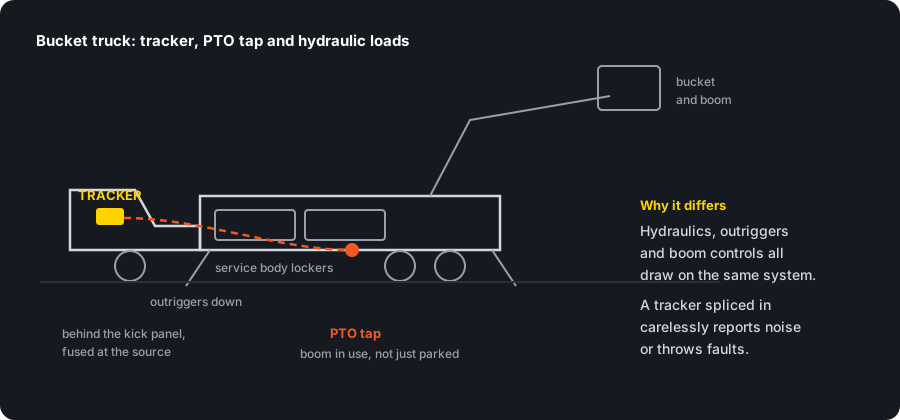
Those vehicles do not wire like a pickup. An aerial device has hydraulics, outriggers and its own electrical loads, and a tracker fitted without regard for any of that will either report nonsense or throw faults. We treat utility units as their own job and price them that way.
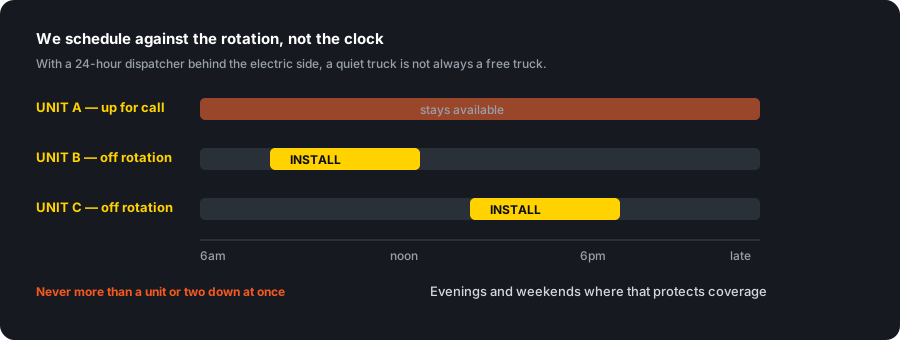
The DPU runs a 24-hour dispatcher for utility problems, and the crews behind it work an on-call rotation rather than a fixed shift. A truck that looks idle at ten in the morning may be the one due out at two the next.
We plan around the rotation rather than the clock. Tell us who is up and who is down and we will fit the installs into the gaps, including evenings and weekends when that is what keeps response coverage intact.
The DPU has its own Fleet Maintenance division. The City has its own Garage. Orangeburg County runs fleet maintenance of its own alongside roads, bridges and solid waste. Three shops, three budgets, three sets of expectations about how work is documented.
We quote them separately by default. It keeps one department from sitting on hold while another works through its approvals, and it lets each shop keep its own paperwork the way it already keeps it.
South Carolina State, Claflin and Orangeburg-Calhoun Technical College each run vehicles, and the City operates its own airport. These are small fleets individually, but they are institutional buyers with the same documentation habits as the public departments, and they are often overlooked entirely by installers passing through on the interstate.
Packers, dumps, vac trucks and loaders are a different job from fitting a van. On an aerial device the tap point decides whether the data means anything at all, the grounds have to be clean, and every joint has to live through hydraulics, weather and years of road vibration. Utility fleets find this out faster than anyone, because a unit that faults on a storm night is a unit nobody trusts again.
We work throughout Orangeburg County and the surrounding Lowcountry and Midlands:
…across Orangeburg, Calhoun, Bamberg and Dorchester counties, with easy reach off I-26 and I-95. We come to your yard, your garage or the substation lot.
Yes, and it is a large part of why we get called into utility towns. Aerial units have hydraulics, outriggers and their own electrical loads, so the tracker has to be fused and grounded with that in mind. Fitted carelessly they either report nonsense or start throwing faults.
Yes. With a 24-hour dispatcher behind the electric side, the rotation matters more than the clock does. Tell us which units are up for call and which are down, and we fit the installs into the gaps, including evenings and weekends.
Not usually. Three shops, three budgets, three sets of approvals. We quote each separately so no department waits on another, and each keeps its documentation the way it already keeps it.
Gladly. The City Garage and the DPU Fleet Maintenance division already maintain these vehicles and have their own standards for work done on them. We would rather agree the routing and mounting with your techs up front than hand back a truck they disagree with.
Yes. South Carolina State, Claflin and Orangeburg-Calhoun Technical College all run vehicles, and the City operates its own airport. Small fleets individually, but they buy like institutions and most installers drive straight past them.
Utility, city, county or campus — tell us what you run and when the units are free, and we will build the schedule around it.
Tell us which departments and how many units, and we will come back within 24 hours.
Answer a few quick questions and we will build your custom quote in minutes.
Get a Quote