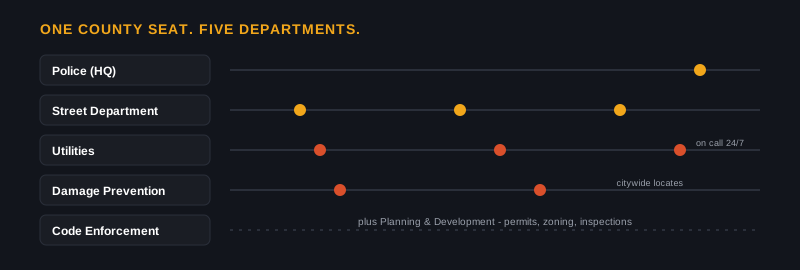
Lawrenceville is the seat of Gwinnett County, and its city fleet runs wider than most small-city departments - Police, the Street Department, Utilities, Damage Prevention and Code Enforcement each keep their own vehicles moving around a downtown built around the historic courthouse square. We install and support the tracking and camera hardware those departments already run, scheduled around court days and downtown events instead of against them.
Lawrenceville is Gwinnett County's seat, and its city government runs a wider department list than most of the small cities nearby - fifteen departments in total, several of them running their own vehicles out of separate addresses around downtown and the edge of the city. There's no single motor pool here; installs get scheduled department by department.
Lawrenceville Police Department runs patrol cars and support vehicles out of headquarters, working a city built around a county courthouse and two colleges. We install GPS tracking and in-car cameras on marked units, scheduled around shift change so a car is back on patrol the same day it comes in.
The Street Department covers paving, signage, and right-of-way maintenance across the city, running a mixed fleet of trucks that rarely sit still in one yard for long. We fit GPS tracking to that fleet the way we do any public works operation - hardwired, tested on the vehicle, and left working before we leave.
Utilities keeps water and sewer service running, which means part of the fleet is on call outside normal business hours. We set tracking and camera hardware up so a dispatcher can see which truck is closest to an overnight call, not just which one is scheduled.
Damage Prevention runs the locate trucks that mark underground lines before anyone digs - a citywide, ticket-driven job with no fixed route. GPS tracking on that fleet mostly exists to prove where a truck was and when, which is exactly what we set the install up to do.
Code Enforcement and Planning & Development inspectors cover permits, zoning, and property checks citywide out of vehicles that spend most of a shift parked at a curb rather than on a corridor. We equip them the same way we do patrol and utility trucks - GPS tracking and dash cameras installed without taking an inspector off their route for more than a scheduled block.
Every major platform, installed by technicians who know what's already wired into a city vehicle before anything else goes in.
Hardwired units on patrol cars and Street Department trucks, OBD units on code enforcement and inspection vehicles, and battery-powered trackers on trailers and towed equipment.
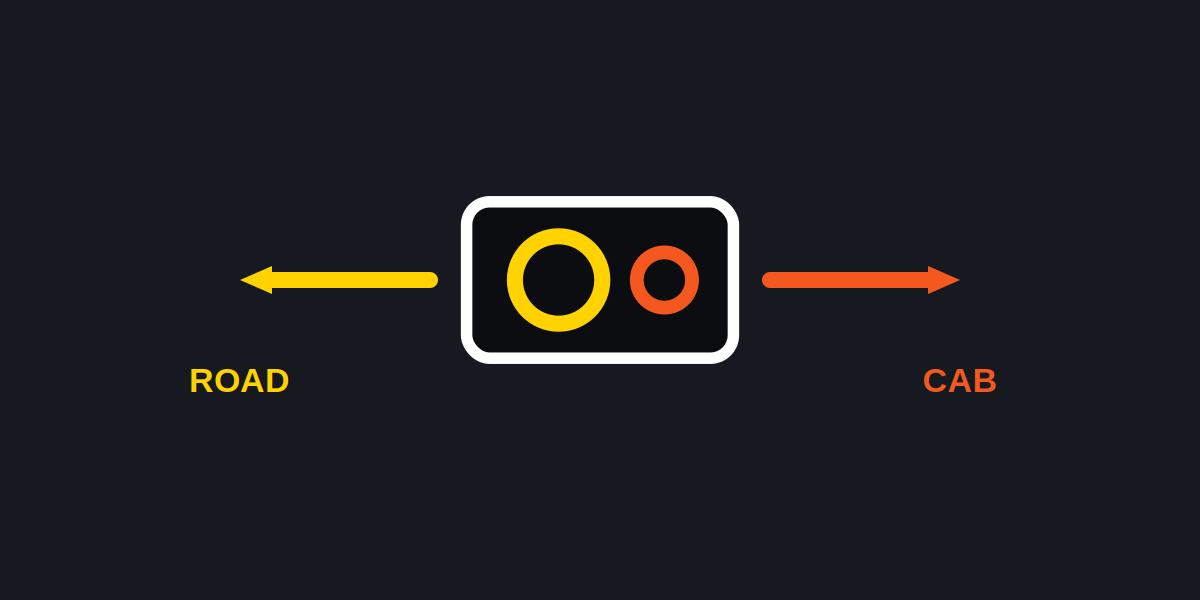
Road- and driver-facing cameras fitted to patrol cars and city trucks working a downtown built around a county courthouse, where the footage has to hold up the one time it's needed.
Fleet-wide telematics that ties Lawrenceville's fifteen departments into one dashboard, so utilization, idle time and maintenance data show up in one place instead of scattered across every yard.
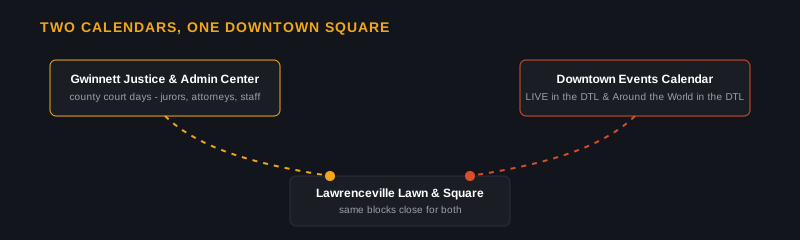
Downtown Lawrenceville answers to the county as much as the city - the Gwinnett Justice and Administration Center and the Gwinnett County Courthouse sit a few blocks from City Hall, and court days bring county employees, jurors and attorneys downtown on a schedule the city itself doesn't set.
We build install windows around that traffic instead of assuming a quiet downtown. A technician working a code enforcement truck near the square on a Tuesday morning is working around county business as much as city business.
Lawrenceville's city government runs fifteen departments, and the ones with vehicles - Police, the Street Department, Utilities, Damage Prevention, Code Enforcement - don't share much ground. An install run here covers more addresses than a smaller city's compact fleet does.
We plan the day around that spread instead of pretending it's one stop. More addresses means more mobilizations, and we quote and schedule accordingly instead of losing the difference in a flat day rate.
Utilities and Damage Prevention both carry after-hours and on-call work - a water main break or a locate ticket doesn't wait for a shift to start. Those trucks need tracking that's useful to a dispatcher at 2 a.m., not just during business hours.
We set stop detection and alerts to work the same at midnight as at noon, so an on-call truck shows up correctly whether it rolled at nine in the morning or nine at night.
Lawrenceville Lawn runs the LIVE in the DTL concert series and Around the World in the DTL through the season, and those nights close the same downtown blocks that carry courthouse traffic all day. A truck based near the square deals with both patterns, not just one.
We check both calendars, the county's court schedule and the city's downtown events calendar, before we plan an install day near the square, so a technician isn't caught by either kind of closure.
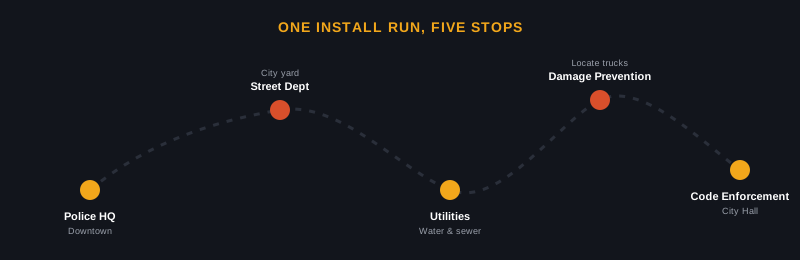
One install run can reach every Lawrenceville city department without pulling a vehicle away from a shift or a court day downtown.
From the Police Department's patrol fleet to the Street Department yard and the Utilities complex, we cover Lawrenceville and the rest of Gwinnett County, door to door:
...from Suwanee and Buford to Snellville, Grayson and the rest of Gwinnett County. We come to where the fleet already is rather than asking you to bring vehicles to one lot.
Most of our work is with Police, the Street Department, Utilities, Damage Prevention and Code Enforcement - the five departments that actually run field vehicles. If another department picks up a vehicle later, we equip that one too.
Yes. We check the county court calendar and the city's downtown events calendar, including LIVE in the DTL and Around the World in the DTL, before scheduling a job near the square, so an install day doesn't collide with either one.
Across the city. Lawrenceville's fleet is spread over several addresses rather than one motor pool, and we plan the day - and quote it - around that spread instead of pretending it's a single stop.
We set those up the same way we do any on-call fleet: tracking and alerts that work as well at 2 a.m. as at noon, since Utilities and Damage Prevention don't run on a nine-to-five.
Yes. As the county seat keeps growing, we add departments and vehicles to the same account instead of starting over, and larger batches get phased so the fleet is never shorter of vehicles than it can afford to be.
Tell us which departments and how many vehicles, and we'll build an install run that works around your court calendar and downtown events, not against them.
Fill out the form and we'll follow up with a scope and schedule for your departments.
Answer a few quick questions and we will build your custom quote in minutes.
Get a Quote