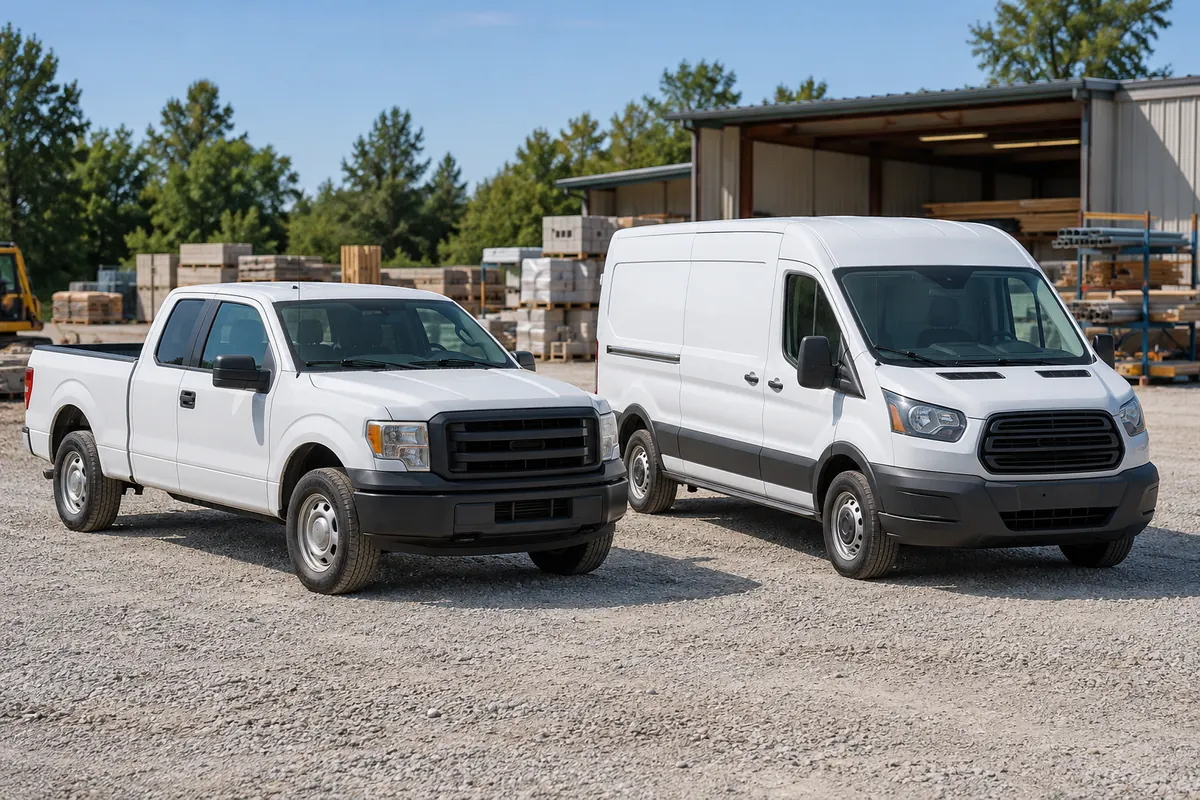
We install the hardware, at your yard, on your schedule — one van or a few hundred vehicles. All major brands, $2M insured, and documented per vehicle. Below is exactly what we do and what each job actually involves.
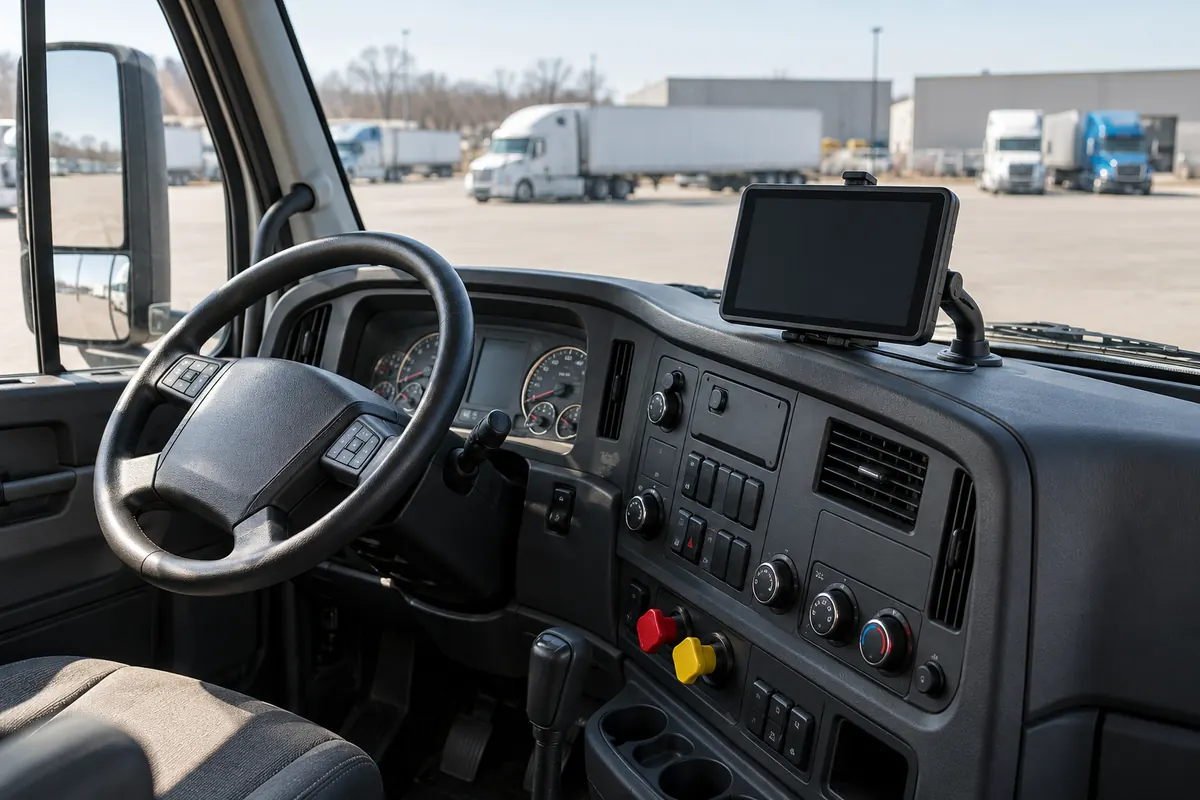
Most fleets start with a GPS tracking device on every vehicle and a dash cam on the windshield. From there we add backup cameras, ELDs, trailer and asset trackers, driver ID, sensors and equipment monitoring, on any make of truck or van and with every major brand. See all the types of GPS trackers we install.
Pick a category to see everything in it, with a picture and a short description of each one.
Hardwired and OBD tracker installation on cars, vans, pickups, box trucks, Class 8 tractors and heavy equipment. For commercial fleets we recommend hardwired in almost every case: a plug-in device sits in a port the driver can reach, and if any part of your reason for deploying is accountability, that is a problem you would be paying to create.
A correctly installed device connects to a switched ignition source with a clean ground, runs concealed, and is verified reporting before we leave. That last part matters more than it sounds — a device wired to constant power never sleeps, and that is the usual cause of the "our batteries keep dying" complaint that gets blamed on the hardware.
How GPS fleet tracking works, from the beginning →
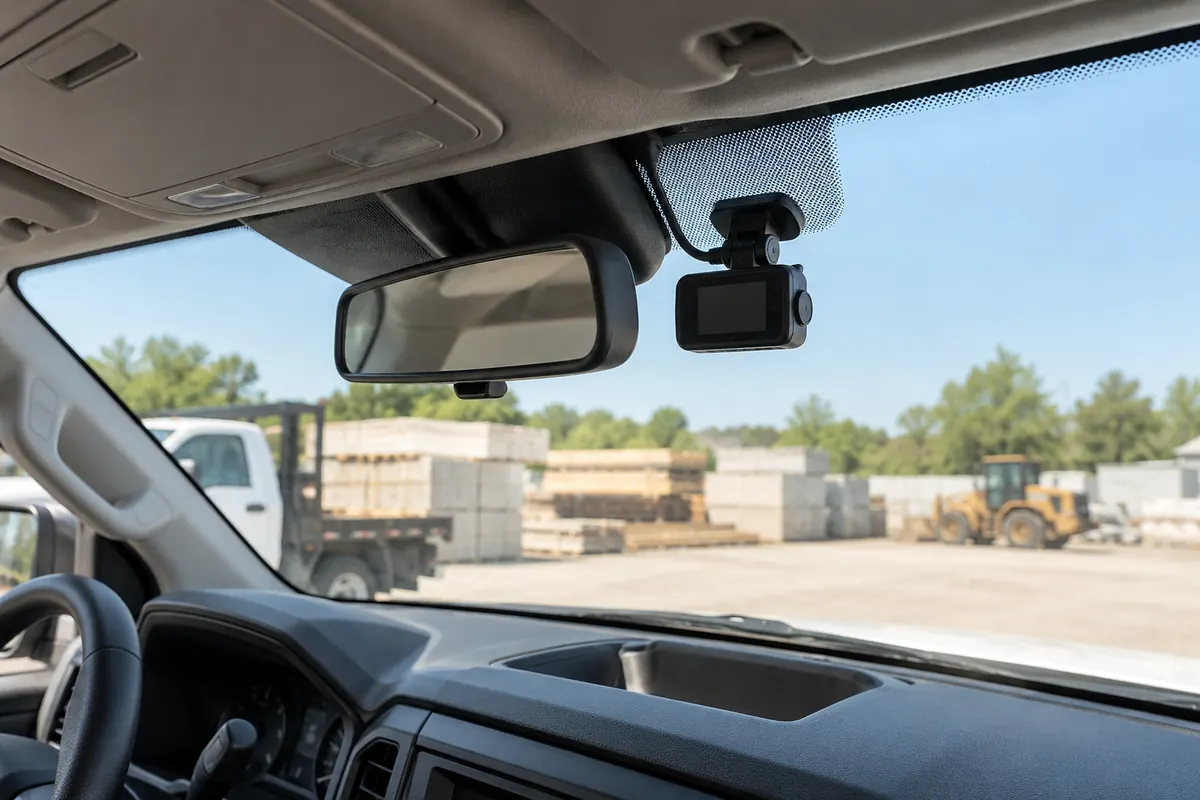
Road-facing, dual-facing and AI event-detection dash cam systems. The right configuration depends on what you are actually trying to do. Road-facing is evidence hardware — it exists to show the other party pulled out or stopped without cause. Dual-facing is where a safety program lives, because the preventable events are usually visible inside the cab.
Windscreen placement is the most common visible mistake in this trade: too low and it obstructs the driver, too close to existing lane-departure or rain sensors and it interferes with them, and moving it later leaves adhesive marks on the glass.
The three dash cam configurations and what each is for →
Rear and side camera systems on everything from service vans to tractor-trailers, wired or wireless. On a tractor-trailer the useful backup camera is on the trailer, which means either a wired run through the coupling or a wireless system — which is right depends on whether your trailers are dedicated or pooled.
Worth knowing: the federal rear-visibility rule only applies to vehicles rated 10,000 lbs GVWR or less. On a Class 7 or 8 truck a backup camera is a supplemental safety device fitted on top of the mirrors federal rules require, not a replacement for them.
What the federal backup camera rules actually require →
We are a Geotab Authorized Installer, and we install Samsara, Motive, Verizon Connect, Quartix and most other major platforms. That includes IOX expander modules for auxiliary inputs, driver identification, Bluetooth beacon gateways and CAN bridging to third-party hardware.
If you are still choosing a platform, we would rather fit you the right one than the one we happen to be installing that week.
Our Geotab installation services → · What actually makes Geotab different →
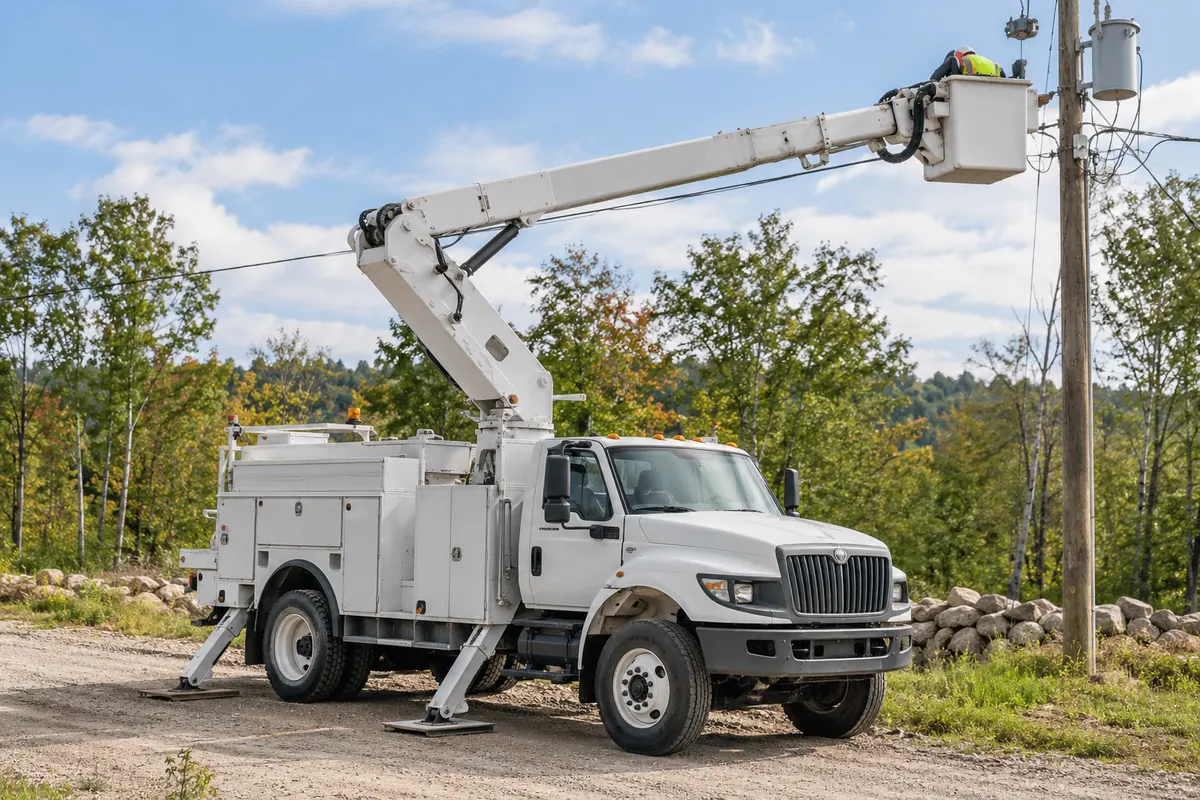
Auxiliary input wiring for power take-off engagement, boom and outrigger position, lift gate cycles, door open, reefer status, beacons and seat belts. This is body-specific rather than chassis-specific work — two identical chassis with different upfits have completely different wiring, and there is no universal answer.
It is also where the quiet failures happen. An auxiliary input wired to the wrong circuit still reports; it just reports something else. A PTO input actually connected to a work light produces clean, consistent, entirely wrong data, and fleets have run on it for a year without noticing. We functionally test every input before leaving site.
Why work trucks need a different install →
Boom truck & aerial lift integration → · Lift gate & dump body integration → · Compressor & pump integration → · Spreader & sweeper integration →
Battery-powered and wired-with-backup trackers on trailers, containers, roll-offs, generators, compressors and site equipment. The decision that matters most is not the hardware — it is reporting frequency, which is set at install time and dominates battery life. The same device on daily reporting and on 15-minute reporting has wildly different service life.
Tracking equipment that has no power →
Switching providers is a large share of what we do. We remove the outgoing hardware, inspect and correct whatever the previous installer left behind, fit the new platform, configure it and verify it — in a single visit per vehicle, so the vehicle only comes out of service once.
What we typically find when old hardware comes out: devices wired to constant power that should have been switched, unfused splices buried in the loom with no documentation, auxiliary inputs on the wrong circuit, and corroded connectors on anything working near salt air. If your existing system has drain problems or intermittent dropouts, this is usually where it starts.
Most installers will not tell you this, so here it is plainly.
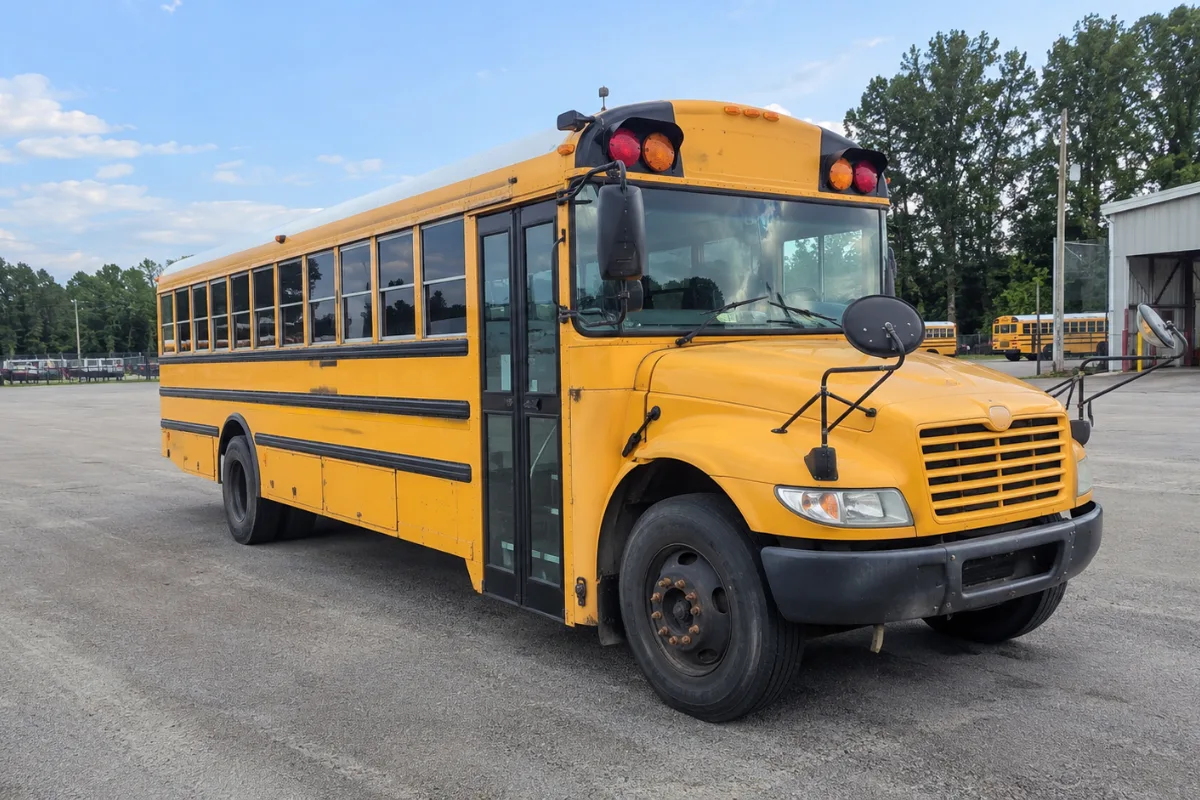
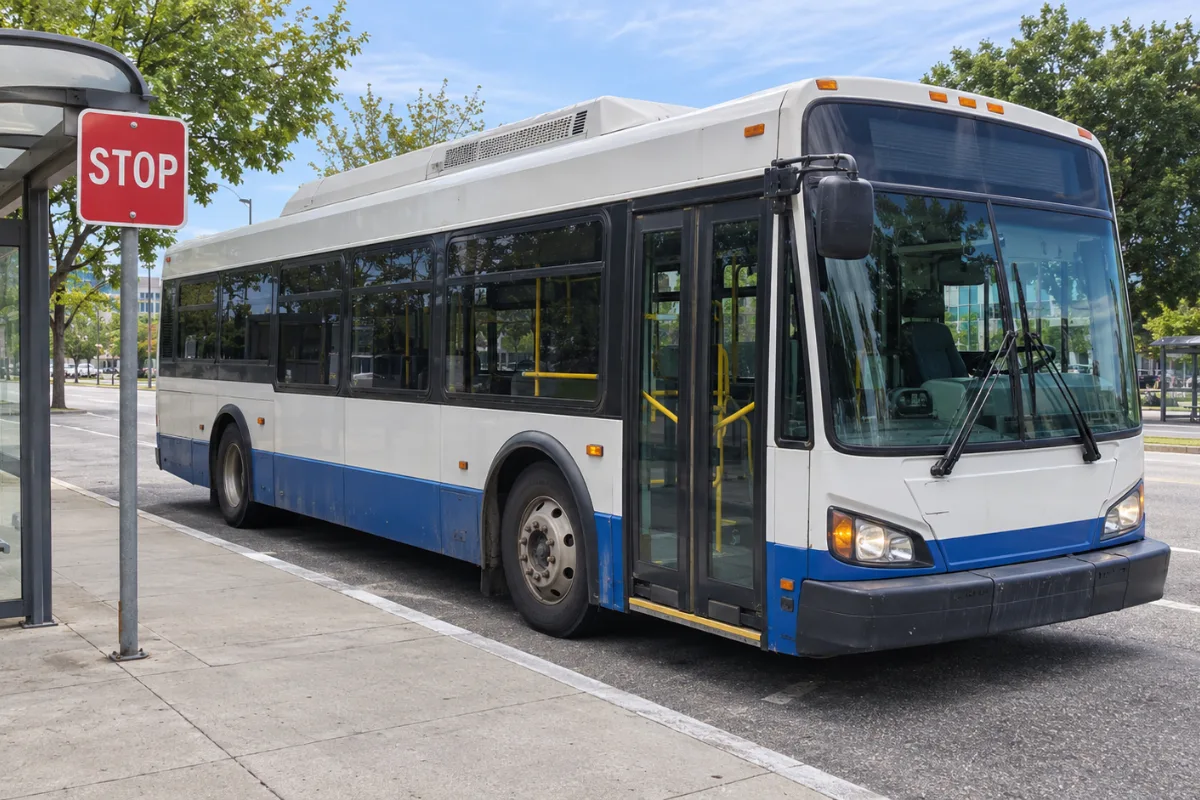
Across Georgia, South Carolina, North Carolina, Tennessee, Virginia, Alabama, Florida and Mississippi we install for service and trade contractors, distribution and delivery operations, port drayage and intermodal carriers, refrigerated and food distribution, construction and utility fleets, municipal and state motor pools, school districts, healthcare and medical transport, hospitality and landscaping, and telematics resellers who need a reliable installation partner.
One van or several hundred vehicles — the process above is the same either way. What changes is the schedule.
Rental car and Turo owners: we install keyless entry with the car's own key fob locked inside, plus GPS trackers, so renters get in without a key handoff. See GPS tracker and keyless entry for Turo and rental cars.
Reseller and partner work: if you sell telematics and need installation capacity in this region, see our reseller page.
Consistent quality, responsive scheduling and photo documentation on every job — whether it is a single service van or a multi-yard enterprise rollout. Thirty-five years in the industry and more than 11,000 installations behind us.
We come to you. Almost all of our work happens at a customer's yard, terminal or jobsite. Driving vehicles to a shop and back is usually a bigger disruption than the install itself, particularly on a small fleet where that round trip can double the downtime.
We plan on 15 to 20 vehicles a day, per installer, when the vehicles are parked and ready. Dual-facing cameras take longer. PTO integration, auxiliary inputs and body-builder wiring on service trucks take longer again. When we quote a multi-vehicle job we give you a realistic per-day throughput figure so you can plan which units are down when.
Yes, and we do it in a single visit per vehicle so the vehicle only comes out of service once. That includes inspecting and correcting any wiring the previous installer left behind, which is often where a fleet's existing battery-drain or dropout problems originate.
We install every major telematics and dash cam system, including Samsara, Motive, Geotab (we are a Geotab Authorized Installer), Verizon Connect and Quartix. If you are not sure what you currently have, send us a photo of the existing device and we will identify it.
Yes. We install on everything from a single service van to Class 8 tractors, trailers, refuse and boom equipment, municipal fleets and unpowered assets. Heavy trucks and upfitted work trucks take longer per unit because the accessible circuits have usually already been used by the body builder.
Photo documentation on every unit as standard, plus confirmation that each device is reporting before we leave site. For government and institutional fleets we will match whatever invoicing and sign-off format your procurement office requires.
We install across eight states, and every market has its own scheduling reality — night freight in Greensboro, shift-driven plants in Spartanburg, port gate windows in Savannah and Charleston, seasonal capacity on the Grand Strand.
Tell us your vehicle count, what you are fitting, and whether anything needs removing first — that is enough for a real quote.
Tell us about your vehicles and hardware, and we'll get back to you within 24 hours with a quote.
Answer a few quick questions and we will build your custom quote in minutes.
Get a Quote